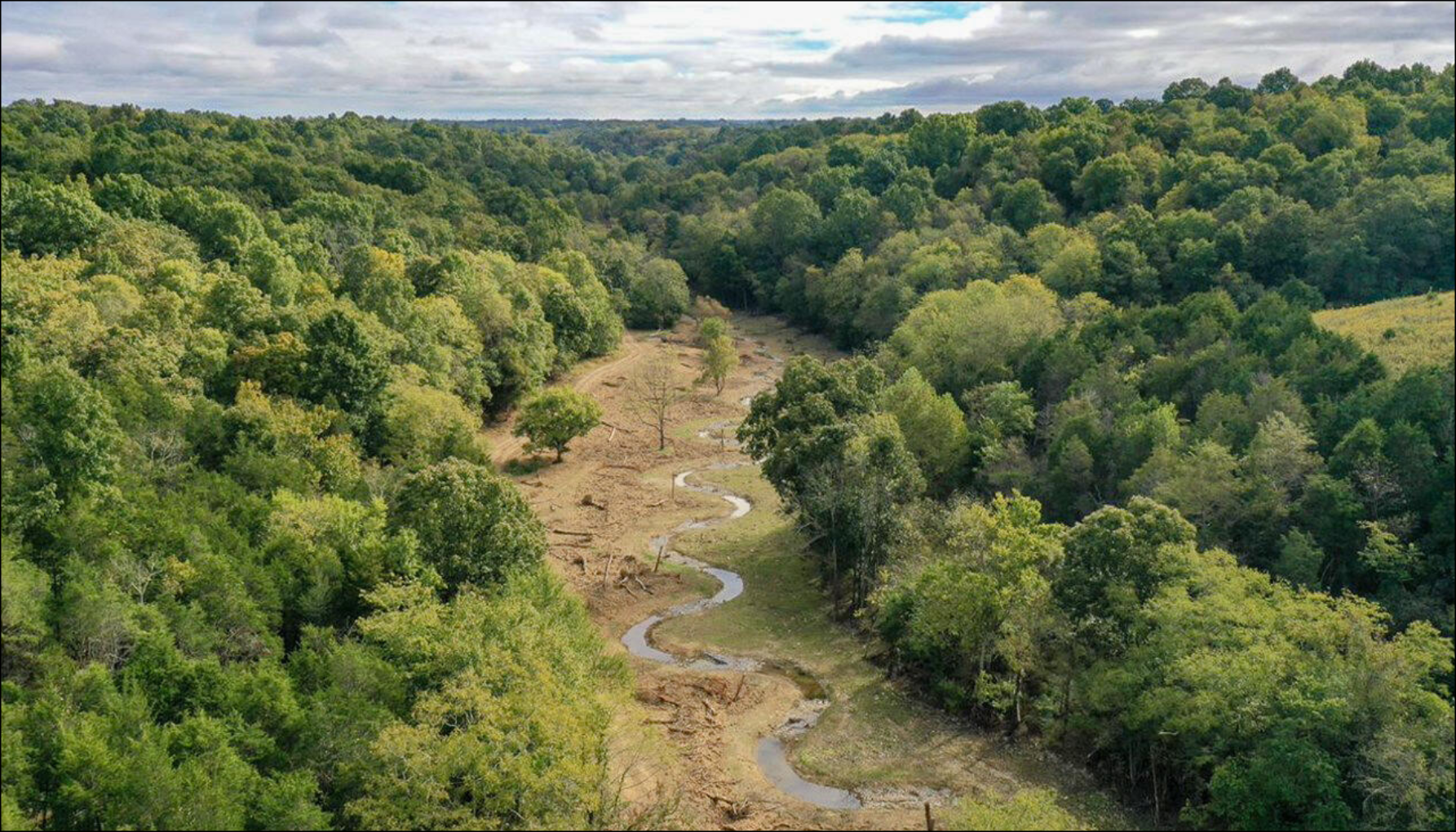
LandVest is helping shape a growing market at the intersection of investment performance and environmental stewardship with the recent sale of a large-scale mitigation bank portfolio—an asset class gaining traction among institutional and private investors alike.
The Appalachia Mitigation Bank Portfolio, brokered on behalf of Ecosystem Investment Partners (EIP), a leading investor in the natural capital sector, represents a more complex and less common transaction in this space: multiple stream and wetland mitigation banks packaged across West Virginia and Ohio and brought to market through a single-stage, sealed bid process.
While individual mitigation banks do change hands, many transactions occur off market and without broad market exposure—highlighting the value of experienced representation. Portfolios of this scale are rare.
For EIP, ensuring broad market exposure and disciplined execution was essential. “In most cases it’s just one mitigation bank changing hands. The notion that we had banks in multiple states that we needed to package as a portfolio is less common and more complex, so it was important to have sophisticated representation,” said Nick Dilks, Managing Partner of EIP. “As an institutional investor, it’s also important for us to ensure the portfolio was properly exposed to the market, and LandVest did a great job managing the process as a fiduciary to deliver the best possible outcome for our investors.”
The transaction reflects a broader shift toward natural capital investments that generate both financial returns and measurable environmental outcomes. Mitigation banking, in particular, is structured around a straightforward premise: enabling development while ensuring no net loss of critical natural resources.
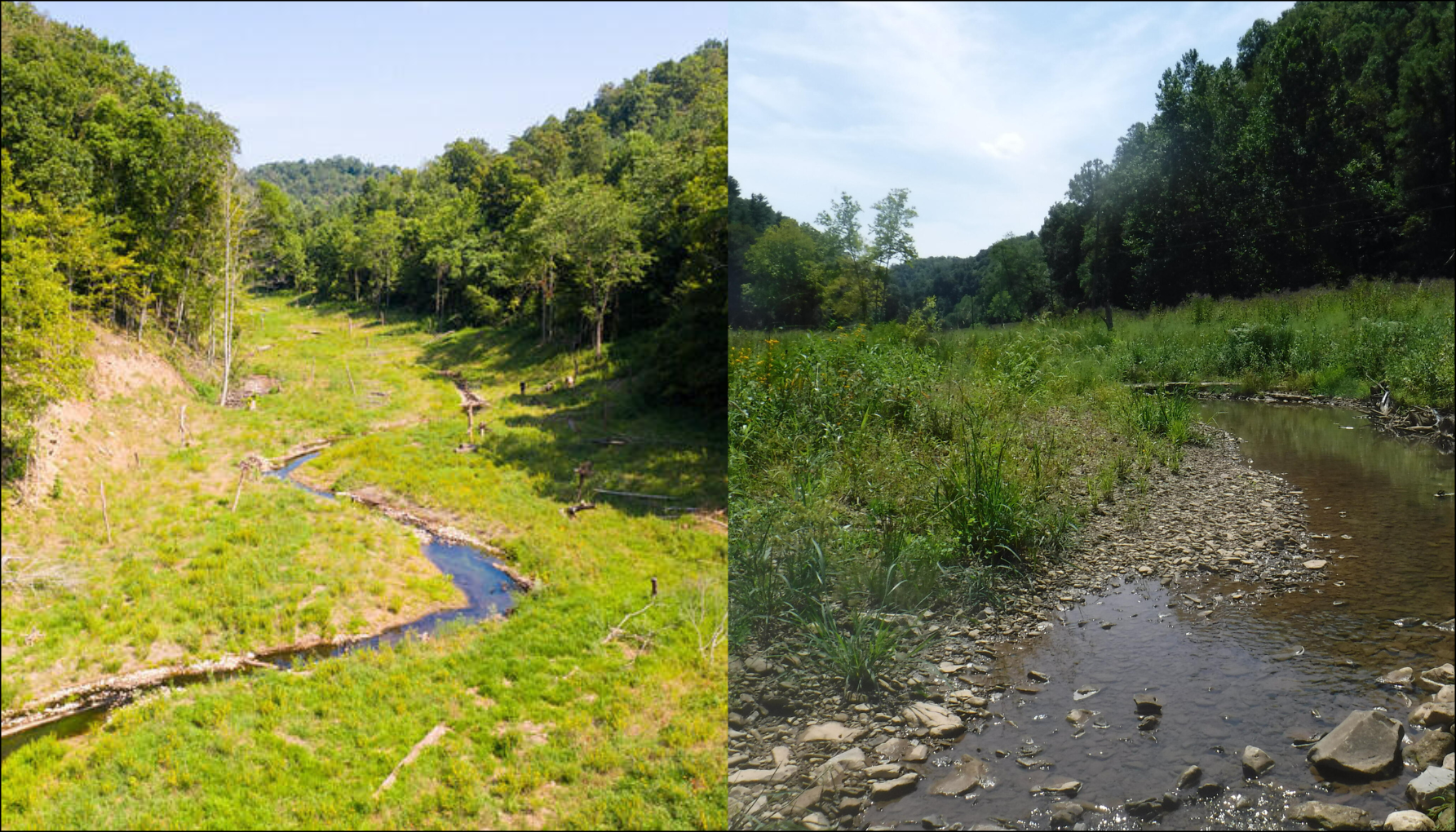
Under the Clean Water Act, developers impacting streams or wetlands are required to offset those impacts—typically by purchasing credits from approved mitigation banks within the same watershed. These credits are created through the restoration and protection of degraded ecosystems, then released over time as performance benchmarks are met.
The result is a market with consistent, regulation-driven demand. Buyers of mitigation credits—ranging from infrastructure developers to municipalities—gain a clear path forward for projects without the long-term responsibility of managing environmental offsets themselves. For investors, mitigation banks offer a defined lifecycle: credits are sold over time, revenue is realized, and long-term stewardship obligations are transferred through pre-funded endowments.
That structure is part of the appeal. As David Speirs, LandVest’s Vice President of Land Investments, notes, “A market has been created where organizations can purchase credits and proceed with their projects without taking on ongoing management. That clarity and separation of responsibility is extremely compelling.”
The Appalachia portfolio reflects those dynamics at scale. With restoration work complete and a significant portion of credits still available, the assets offer a forward revenue stream into the next decade, alongside declining monitoring costs as projects mature.
More broadly, the transaction underscores growing interest in mitigation banking as a portfolio diversifier. While investors have traditionally accessed the space through individual banks or funds, opportunities to acquire established portfolios are expanding—offering both scale and efficiency.
That evolution aligns with a broader shift toward assets tied to real-world utility and long-term resource value. In this context, mitigation banking occupies a compelling middle ground—supporting essential development while funding the restoration and preservation of critical ecosystems.
As Dilks notes, “Development is ultimately paying for conservation. That’s where a lot of meaningful environmental progress happens.”
For LandVest, the strong response to the offering highlights both the depth of demand and the importance of thoughtful positioning. As the asset class matures, the firm expects to play an active role in advising clients—across direct acquisitions, portfolio strategies, and broader entry into natural capital investments.
In an increasingly selective market, assets that combine durable revenue potential with measurable impact are drawing attention—and mitigation banking is emerging as one of them.
About David Speirs

David Speirs is Vice President of Land Investments. David’s primary responsibilities include generating new business, marketing and servicing ongoing transaction projects, client/customer relations, and team management. David has 15+ years of experience in the forestry business including eight years of field experience managing forestland in Montana and Maine.



 To landvest.com



.jpg)


Follow Us on Social Media