
 To landvest.com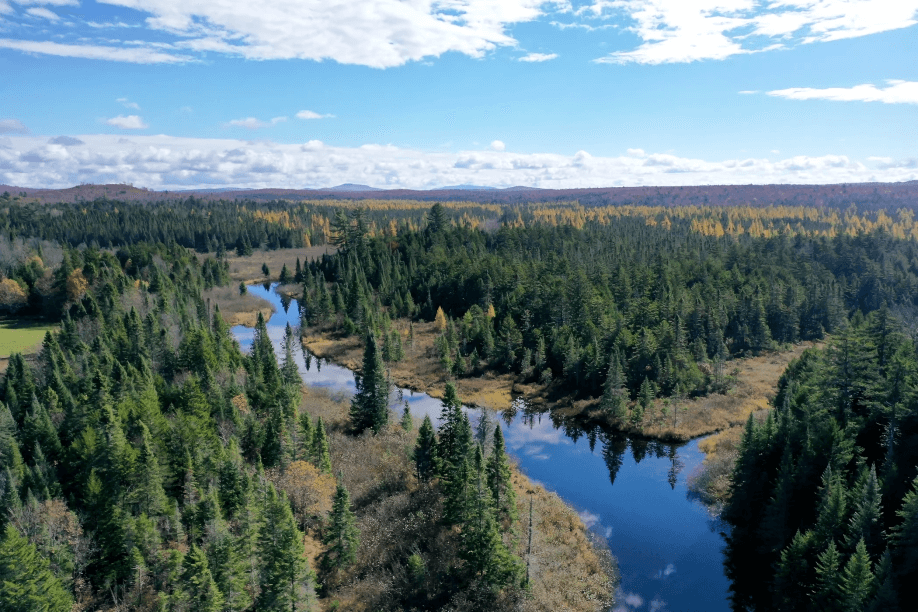
Investing in Land
TIMBERLAND AS A REAL ASSET INVESTMENT
Timberland has moved from a niche category over the past 40 years into an active class of real asset investing. Timberland investments, or environmental assets more broadly, focus on timber and other property resources. Valuations are driven by the productivity of the land, strength of the local markets, and other ancillary income streams.
Forestland investments vary depending upon the region of the country, species composition, stocking levels, and the presence of associated attributes such as carbon storage, conservation opportunities, recreational or other leasing, development potential, and renewable arrays, among other possible resources.
RECENT HISTORY OF TIMBERLAND OWNERSHIP
Industrial timberland was historically owned by integrated forest products companies until the 1980s. From the early 1980s through 2000, these companies began to separate their manufacturing operations from their timberland holdings. While most of the land was sold to institutional investors, this transition also created purchase opportunities for private, retail buyers. The result has been a significant shift in timberland ownership over the past 30 years, along with the emergence of timberland as a mature portfolio asset for a broad range of investors.
Today timberland is predominately owned and operated by non-industrial forest landowners including investment funds managed by Timberland Investment Management Organizations (TIMO’s), publicly traded companies often organized as Real Estate Investment Trusts (REIT’s), high net worth families, conservation organizations and retail individuals.
TIMBERLAND REGIONS
Timberland varies from region to region across the United States. Species composition, growth rates and market availability/stability are each important characteristics to consider in differentiating timber producing regions.
Southeast Timberlands
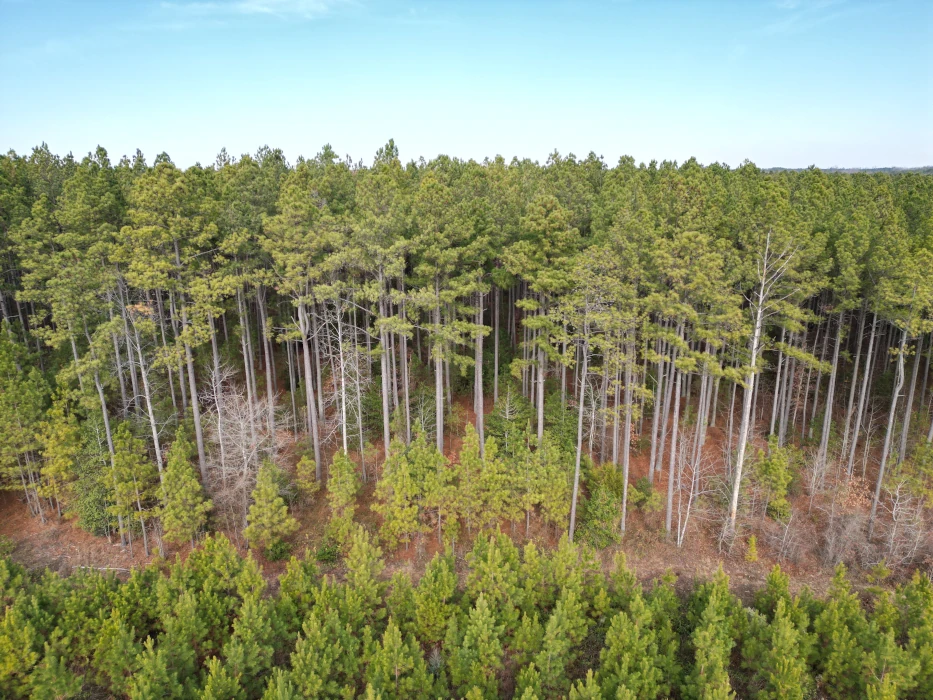
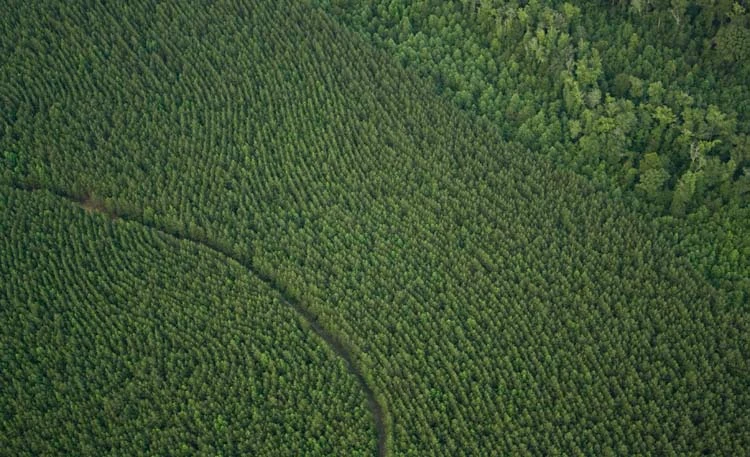
Southeast timberlands are primarily known for fast-growing pine plantations. Southeastern Pine plantations are a commodity market. Pricing is more stable than in other regions because of the commodity nature of the resource. Infrastructure and markets in the Southeast are some of the most developed in the U.S. This region produces one-third of all softwood lumber consumed in America.
Northeast Timberlands
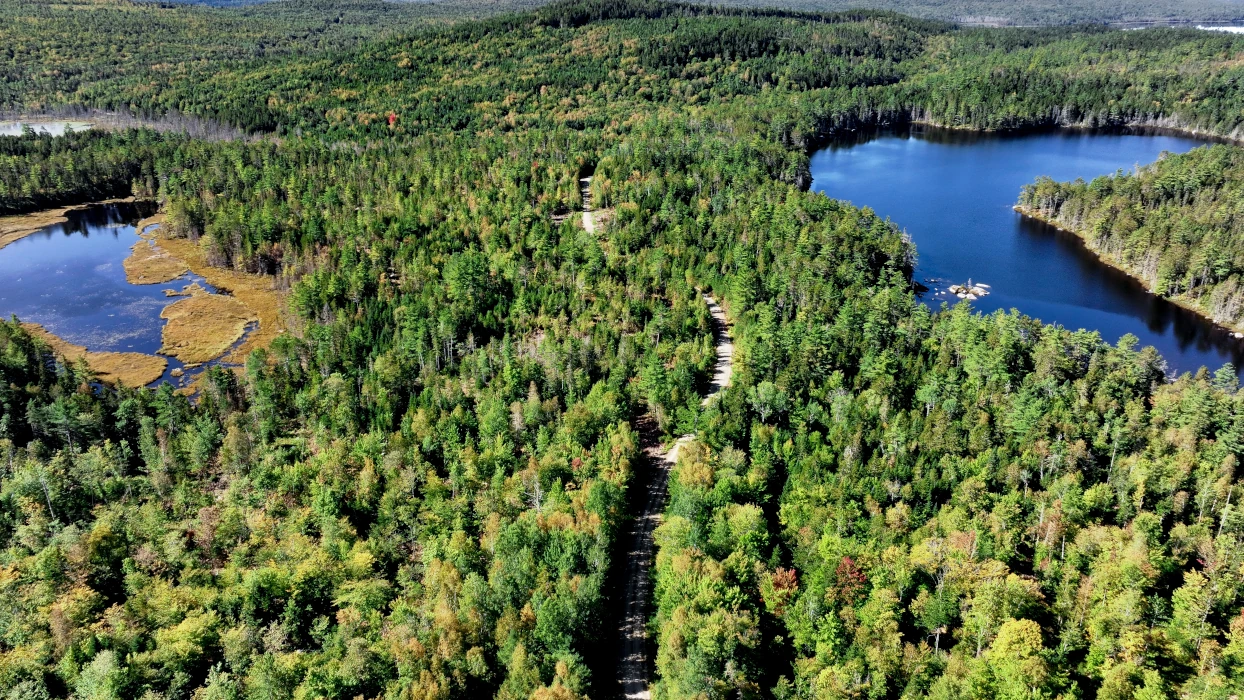
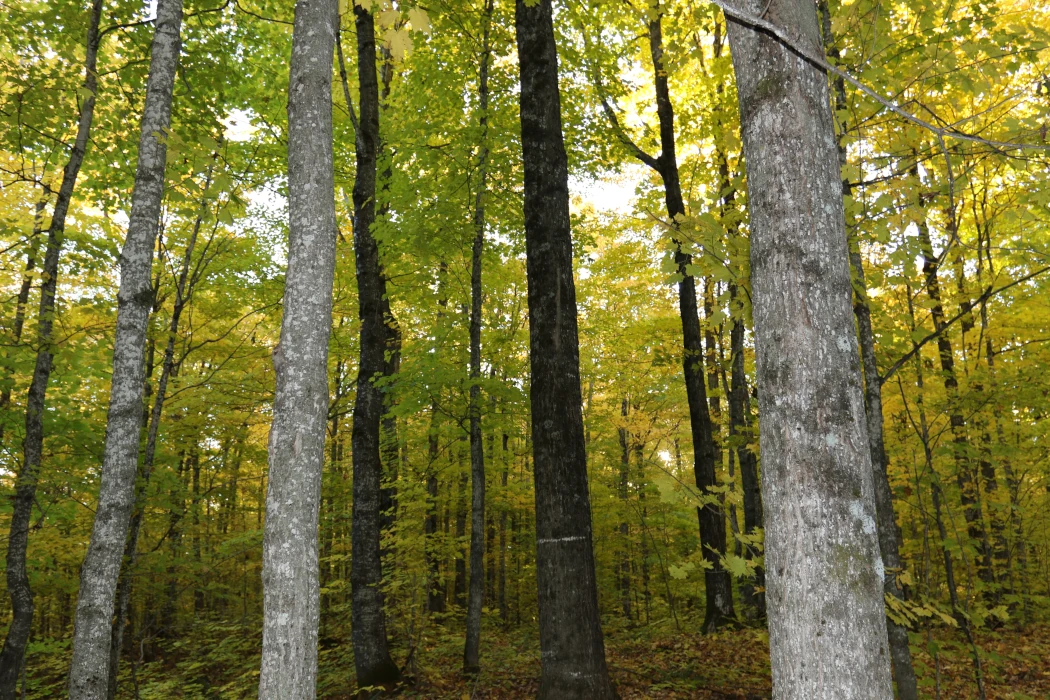
Northeast timberlands comprise a variety of species including northern hardwoods, spruce/fir trees, white pine and red oak. The northeast is a mix of commodity and specialty markets. An investor can diversify their investment by species and products easily in this region.
Overall product prices are somewhat more volatile given the behavior of the specialty products (hardwood sawlogs and veneer) involved. Markets are well established. Growth rates are slower and rotation lengths longer than in most regions, but the naturally regenerating character of the resource reduces or eliminates reforestation costs. Additionally, select properties offer exposure to conservation and/or carbon mitigation values.
Appalachia & Mid-Atlantic Timberlands
The Mid-Atlantic region is a transition zone featuring both high-quality hardwoods on the Allegany plateau and throughout Appalachia, juxtaposed by southern pine plantations across the coastal plains of the region.
Growth rates are moderate, and owners benefit from both natural regeneration as well as plantation forestry. Select properties offer exposure to conservation, carbon mitigation, and/or development values.
Upper Midwest & Lake States Timberlands
The Midwest and Lake States host a species composition that is very similar to the Northeast and includes northern hardwoods, aspen, and red pine plantations.
Northern hardwood sawlogs provide high value, while pulpwood and softwood dimension lumber markets offer a relatively steady pricing model. Growth rates are similar to the Northeast and lag those of the south and west coast. Select properties offer exposure to conservation carbon mitigation, and/or recreational values.
Western Timberlands
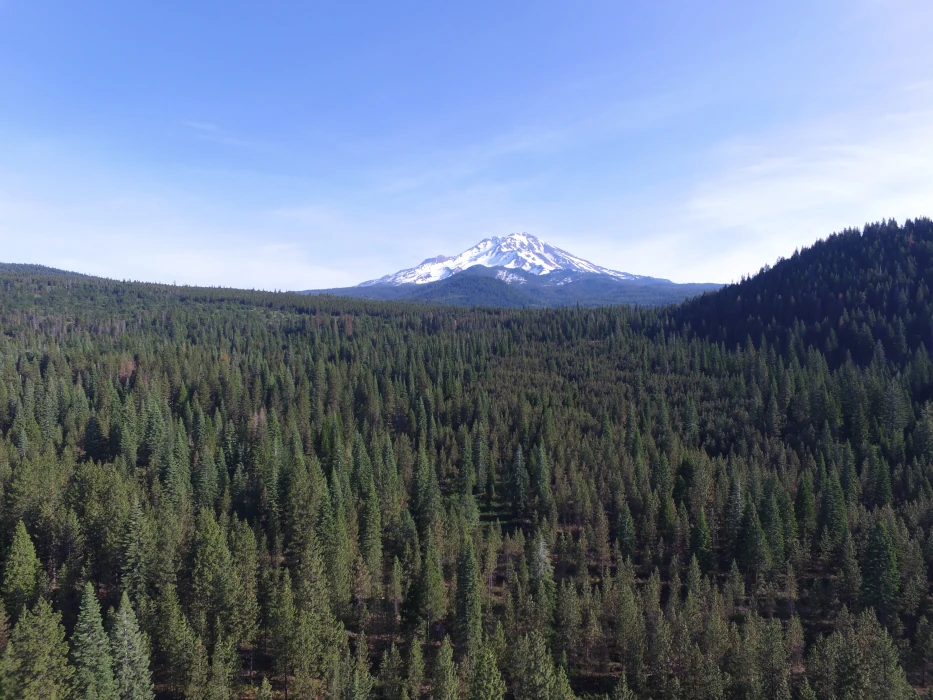
Western timberlands have a diversity of species composition, including western softwoods such as Douglas fir, western red cedar, western hemlock, spruce and alder. Within each region there are sub-regions showing varied attributes such as productivity rates, timber species composition, and market dynamics.
Typically focusing on plantation forestry, the western slopes of the Cascade Range offer the most productive and highest valued forestlands in North America. With almost half of the lumber in the U.S. coming from Washington, Oregon & Northern California, markets for forest products are plentiful. Additionally, the west benefits from lucrative log exports to Asian markets.
Investment Characteristics Of Timberland
Timberland is considered a long-term investment which carries relatively low risk. Nominal return expectations are generally 3-6% but can achieve higher returns with active management and the use of leverage.
Timberland tends to be illiquid and is sought for its unique attributes, including portfolio diversification, inflation hedging, biological growth, capital preservation, climate solutions, low volatility, recreational use, and an inverse correlation to equity markets.
Timberland Components Of Value
- Bare Land Value: also known “Land Expectation Value” is the net present value of bare land to generate income from the highest and best use.
- Timber Capital Value (TCV): or Gross Timber Value is the current value of the timber resource carried on the property. TCV can create cash flow from harvesting or can be left to grow or appreciate through biological growth..
- Pre-merchantable Timber: immature stands of timber which will grow into merchantable timber (or TCV) in coming years.
- Associated Resource Attributes: forestland investments often include additional income streams outside of timber production such as recreational leasing, maple tapping, road use agreements, conservation easements, renewables, mitigation banking, and minerals.
Encumberances On Forestland
Forestland properties are often encumbered in use or right, through sale or donation. It is important to understand any encumbrances to a timberland property as they typically limit use or value. Conversely, unencumbered properties may provide income opportunities to the owner who is interested in monetizing these attributes. Common encumbrances include:
- Conservation easements
- Rights of way or access easements
- Carbon offset projects
- Fiber supply agreements
- Ground leases
Landowners should consult with management or valuation experts in the field to fully understand the value and use implication of encumbrances especially during the due diligence and acquisition process.
Valuing Timberland
Timberland properties are typically valued through the market data approach, as well as the income approach.
The market data approach, more commonly known as the comparable sales approach, looks at actual sales of similar properties which have similar stocking, size or location to the subject property. These sales are then adjusted for timing, scale, stocking and market conditions to predict the value of the subject. This is often the method used by retail and mid-market investors.
The income approach, using discounted cash flow (DCF) analysis, models the present value of future expected cash flows from the property, using an investor’s set of underwriting criteria. Typical variables in these models include expected rate of return, timber growth rates, product price appreciation, non-timber income, and period of investment. This is often the process in which scaled timberland investments are underwritten.
TRANSACTION PROCESS: BUYING AND SELLING TIMBERLAND
Marketing Timberland
Timberland is generally brought to market in one of two ways: either as a traditional listing with a published asking price or as a bid event with no price guidance. Bid events are commonly recommended for larger properties with a well-defined and competitive buyer pool. Bid events tend to drive competition, often resulting in ample market data that helps the seller confidently identify the proposal that best reflects competitive market value.
Listings are the more-common practice for smaller properties targeting the mid and retail market. Timberland listings appeal to less-experienced investors who need time to conduct valuations and due diligence outside of the confined timelines imposed by bid events.
In both instances, it is common for the seller to conduct a timber stocking inventory, obtain a current Environmental Phase I analysis and commission a preliminary title report. These pre-marketing diligence items create more transparency, aid buyer diligence, and yield superior values for the property.
Buying Timberland
Timberland buyers should begin the buying process by identifying property attributes that align with their investment, lifestyle, and/or recreation goals. These can include geographic, resource or use type, and cash flow preferences. Some buyers are looking for a mixed-use property that offers personal recreation and potential conservation or development opportunities alongside traditional timber returns. Other investors are agnostic to location or ancillary income and are seeking traditional timberland properties with maximum return profile.
Properties can often be identified on traditional real estate multiple listing services (MLS). However, in many instances, forestland properties are advertised only on private feeds, such as forestry consulting websites, or aggregator sites like LandWatch.com. Institutional type offerings may only be available by direct invitation.
While some buyers prefer to conduct their own due diligence, most investors seek the consultation of a professional forester, experienced land appraiser, or land broker. These experts can help identify property valuation expectations to avoid common pitfalls which may be overlooked by the novice investor. Using a forest manager in the acquisition process can also help the owner develop a relationship with a resource professional who can assist with forest management over the life of the investment.
To view our Investment Timberlands properties, click Here.
Forest Management
Forest management is a critical element of realizing return. Effective management enhances growth and productivity, improves cash flow, and can often facilitate the best available forest product pricing in the market. Although it may be viewed as an extra cost, the alternative is far inferior. A forest manager will prepare a comprehensive forest management plan; a guiding document for the ongoing stewardship of the assets based on the investor’s specific goals. They will oversee all silvicultural activities, including prescribing, hiring, and supervising the required work. In addition, a forest manager will monitor the investment for risks such as insects and disease and ensure the property is maintained in accordance with best management practices and regulatory requirements. The manager may also recommend improvements, such as boundary line maintenance or resolving access issues. Ultimately, the many benefits of engaging a forest manager contribute to achieving a greater return.
How Can We Help?
LandVest’s Land Investments group is the largest forestland broker in the United States, with over $1 billion in average annual sales. LandVest differentiates itself from traditional M&A firms and land sales agents based on the level of in-house appraisal, management, and marketing expertise that we can bring to bear to achieve the highest possible price for your natural capital investments.

Follow Us on Social Media