Anecdotal evidence suggests that Millennial home buyers are seeking a work/life balance that includes both sustainability and land ownership. Enter: permaculturea growing trend among LandVest Vermont clients.
In our new blog post, Nina Fedrizzi chats with Ben Falk of Whole Systems Design, a leader in the permaculture space who shares his insights on this more holistic way to plan landscapes, and the many ways it can benefit climate resilience in Vermont and beyond.
For most of Vermont, 2011s Hurricane Irene offered a glimpse at the dangers of climate variability in a region thats typically less-prone to its effects.
The storms 60-mph winds stirred up six-foot waves on Lake Champlain and dumped as much as 12 inches of rain on the Green Mountain State. Irenes $750 million in damage included everything from bridges, farmland, and infrastructure to small businesses, private homes, and historic properties.
For permaculture designer and Vermonter Ben Falk, the devastation was staggering. But Irenes wake also offered a glimpse at what is possible.
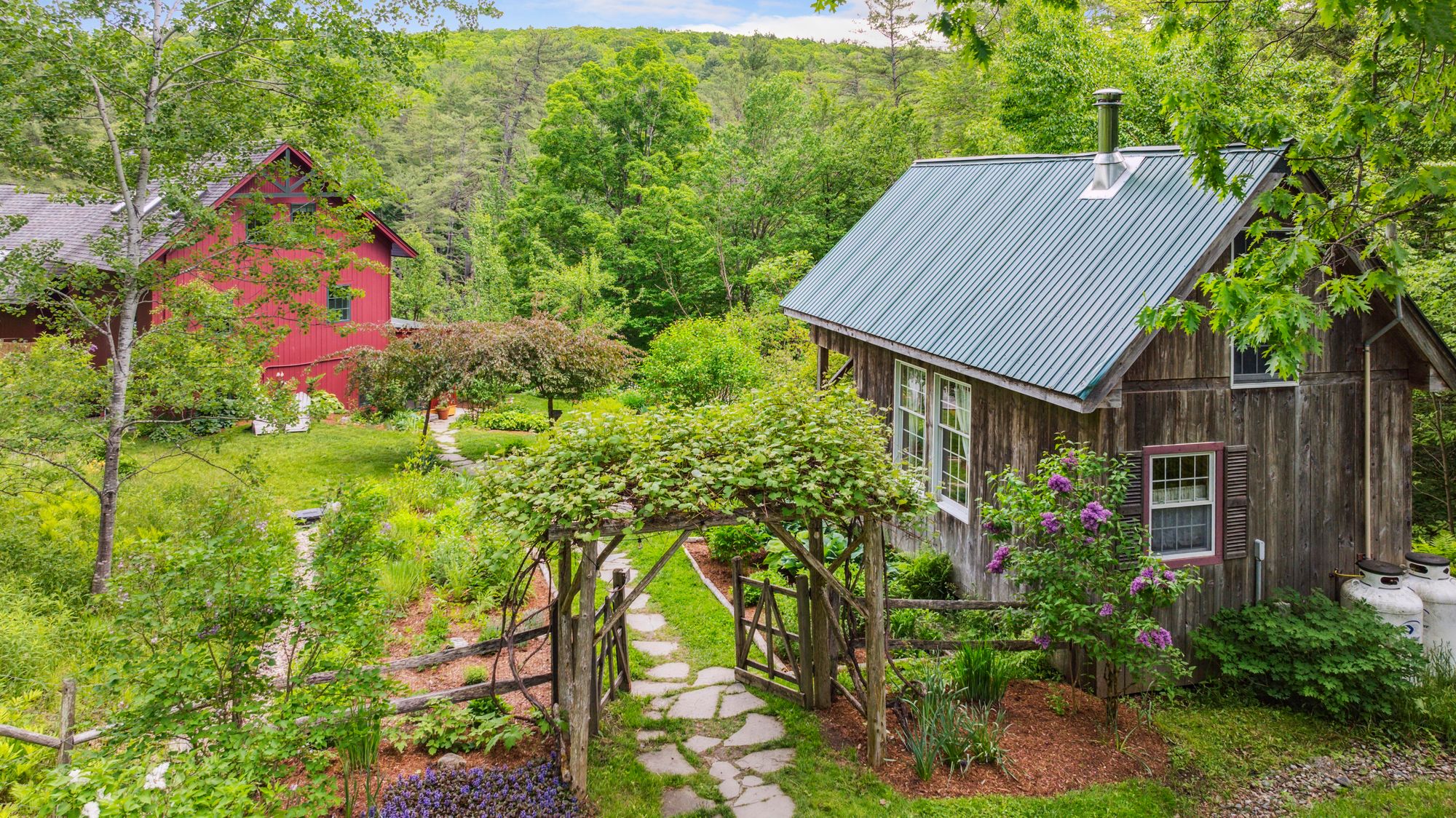 Solheim
, a resilient landscape designed by Ben Falk in Norwich, Vermont.
Solheim, a resilient landscape designed by Ben Falk in Norwich, Vermont.
Hurricane Irene showed us on our original home site that we could effectively prevent 25 acres of stormwater runoff from contributing to flooding by absorbing that precipitation on less than 10 acres of land, Falk explains.
Essentially, it made me realize that if we slowed the spread, and sunk stormwater events into the landscapebanked those events into the [aquifer]we could keep much of the flood waters from immediately entering the river channel.
We could absorb most of those precipitation events in our landscape, which not only greatly reduced the flooding happening in the bottom of the valleys, and all of that destruction, but the benefits of doing that to our own landscape were surprisingly massive.
What kind of benefits? The upside to floodwater is that it contains high quantities of nitrogen and other nutrients. By containing these nutrients in areas specifically designed for flood mitigation, Falks permaculture landscape was able to absorb and harvest themenriching the soil, and eventually, nourishing the homesteads plants and agriculture.
It was the kind of test that no one hopes for, but one that ultimately signified the power of effective land management at work.
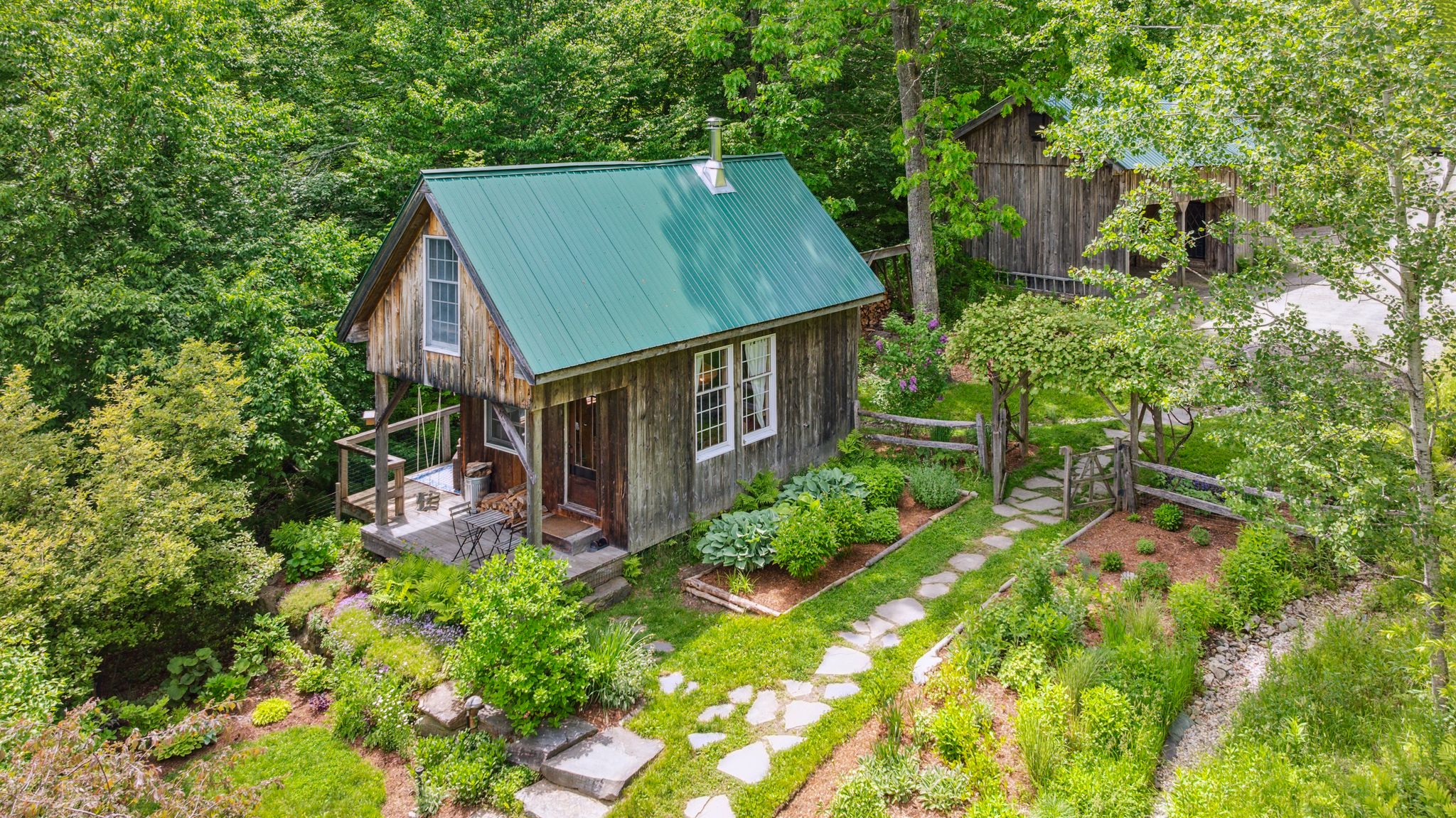
The guest house at Solheim surrounded by the beauty and fecundity of nature.
What is Permaculture?
While it often looks like a cross between farming, landscape architecture, and homesteading, permaculture is essentially a multidisciplinary toolbox for land-based systems that work with nature, not against it.
Its a systematic and holistic way to plan landscapes, Falk explains. Permaculture is a framework in which to think about how to place buildings, water systems, roads, agricultural systems, etc., [for] maximum benefitboth to the humans of that landscape, [and] also the regeneration of the ecology onsite.
The ways weve tended to approach land management and land tend to be extractive; top-down, consumer-oriented, Falk says. Permaculture requires us to listen to the land system and the ecology.
Enter Whole Systems Design: a design, building, and consultation company Falk founded more than 20 years ago. Based out of his Moretown, Vermont homestead, Falk offers a series of online and onsite permaculture courses and workshops that focus on more thoughtful ecological design and living. They cover the basicssite-planning for water and energy systemsbut also more hands-on topics such as farming and animal husbandry. And thats just the start.
Landscapes designed by Falk often include swimming ponds, greenhouses, and root cellars, as well as areas dedicated for medicinal gardens, mushroom propagation, beehives, and fruit and nut orchards. But make no mistake. Creating your own backyard Garden of Eden is a lifestyle, not a pastimerequiring patience, a love of learning, and the ability to adapt when the situation calls for it.
In Vermont, it often does.
The Green Mountain State requires the practice of cold-climate permaculture, though Falk notes that permaculture can be practiced in any type of ecosystem. Vermonts hilly topography often walks hand-in-hand with thin soils, particularly at higher elevations, which takes careful site planning. Steep slopes can exacerbate flooding and erosion, and New England winters typically make for shorter growing seasons, demanding a spirit of flexibility and resiliency.
There [have been] so many times that Ive been surprised in the last 20 years of living in and working in my landscape. So many things that Ive read about, where this or that strategy is supposed to have a specific result, and then when you actually try them, you see a different reality, explains Falk, adding that even his undergraduate and graduate studies in ecology, landscape design, and management could only prepare him so much.
It wasnt until I was 5-10 years in, living on my first site, that I got to see a lot of the lessons emerge directly from my own experience.
Living with and in the systems gives us the direct feedback we need to be effective managers. [We have to be] able to observe the cause and effect of different management actions upon the land and see their results, if were paying close attention, as to how effective those actions are.
A Changing Climate
Its been more than a decade since the devastation of Hurricane Irene, but the new reality of climate insecurity in Vermont and beyond is making permaculture an increasingly appealing option. This is particularly true among upwardly mobile millennial homebuyers, including LandVest Vermont clients, who have embraced Falks Whole Systems Design services at their own properties.
One of these includes Solheim, in Norwich, Vermont (currently for sale by LandVest). The near-net-zero, energy-efficient home is surrounded by more than 10 rolling acres, carefully designed by Falk and the former owners to highlight the beauty and fecundity of nature.
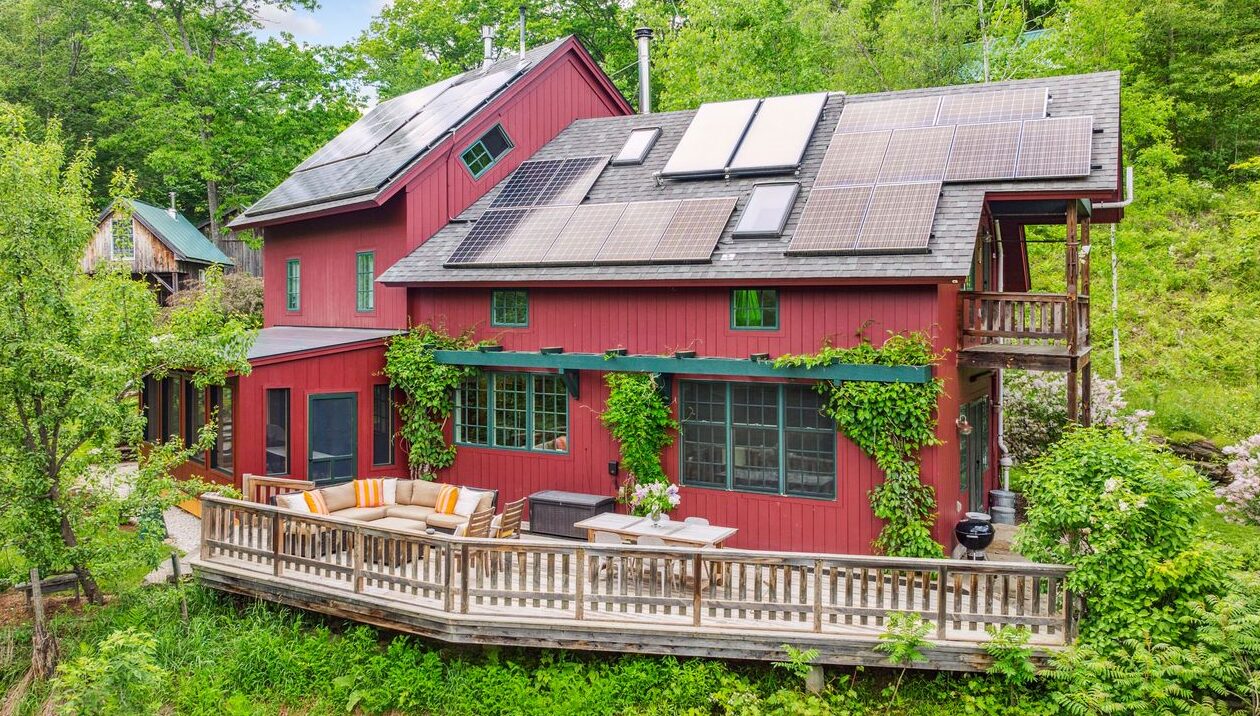
Soheim is south-facing and optimizes passive solar design and photovoltaic generation, nearing net zero with 37 PV panels.
Increased climate variability and extreme events are becoming ever more of a driver of forward-looking land managers, Falk says, adding that his clients are not only looking to mitigate and adapt from climate events, but to benefit from them.
Both flood and drought are increasing simultaneously, but we can do a lot to even [out] those extremes in the cycles by shock-absorbing the depths of each of those parts of the cycle.
We can smooth the curve, so to speak, and distribute water across time into those times of drought through these [permaculture] approaches.
The Living Classroom
It goes without saying that those considering the adoption of permaculture in their own landscapes should go into it with their eyes open: this is not an undertaking for the casual, weekend hobbyist. But the opportunities, Falk says, far outweigh the drawbacks.
It does [require] us to be much more involved and to be out in the land much more with our day-to-day life. [We need to] be paying more close attention, and be a member of the system rather than an outside, looking-in manager. Thats both a hurdle, and also a tremendous opportunity, Falk says.
The reason? The daily, hands-on lessons permaculture provides about food systems, ecology, energy, physics, and beyond are invaluable for every member of the familyincluding, and especially, children.
The people we tend to work with experience a hugely valuable life transition in moving closer to their [landscape]. Ultimately, it becomes a life-changing approach for the better, Falk continues.
In some ways, thats probably the biggest value to it. It isnt just in the ecological restoration of the site, but in increasing the vitality of ourselves through that process.
Below are additional properties available with 100 acres or more in Southern Vermont:
OWL HILL RESERVE
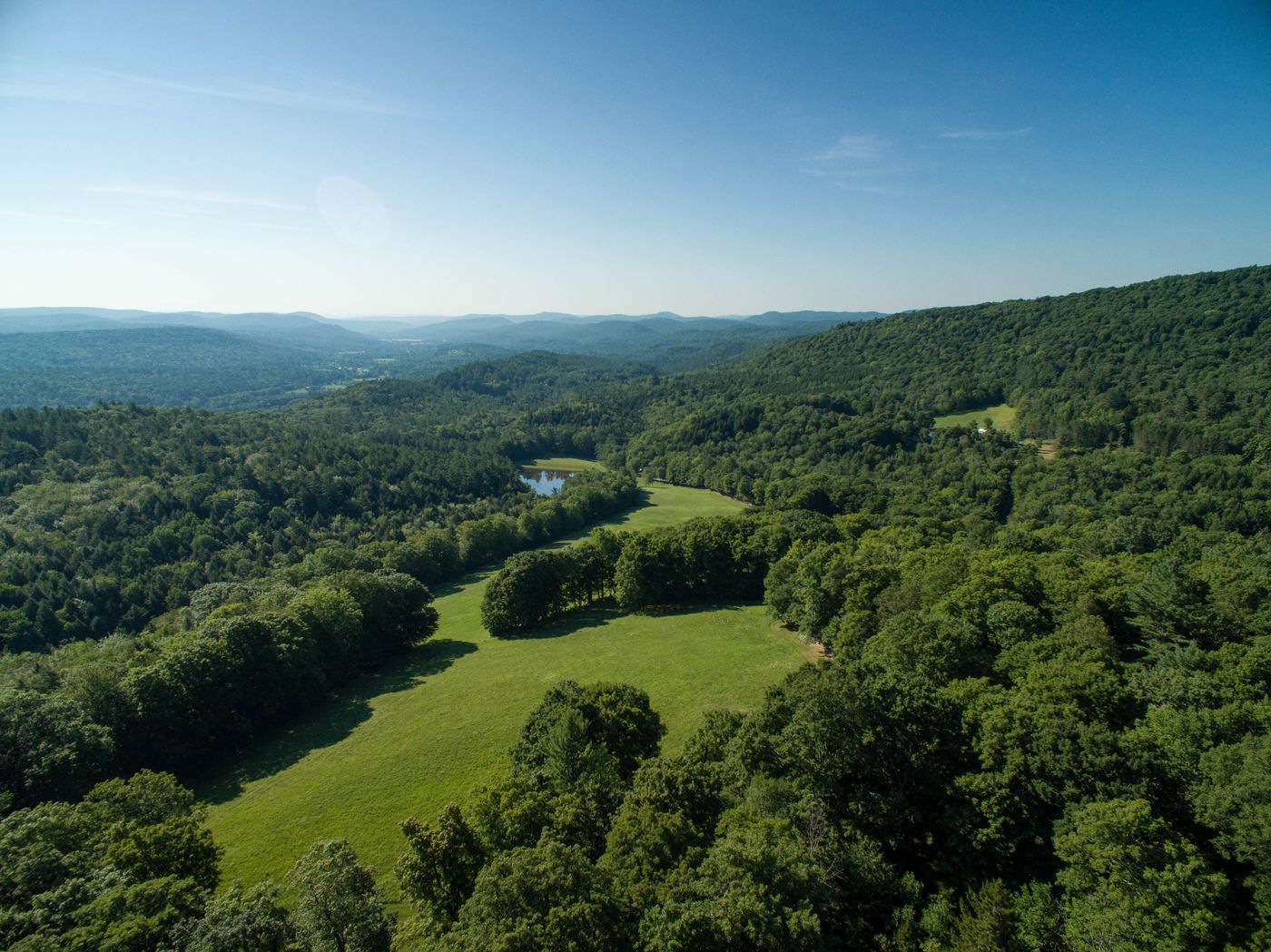
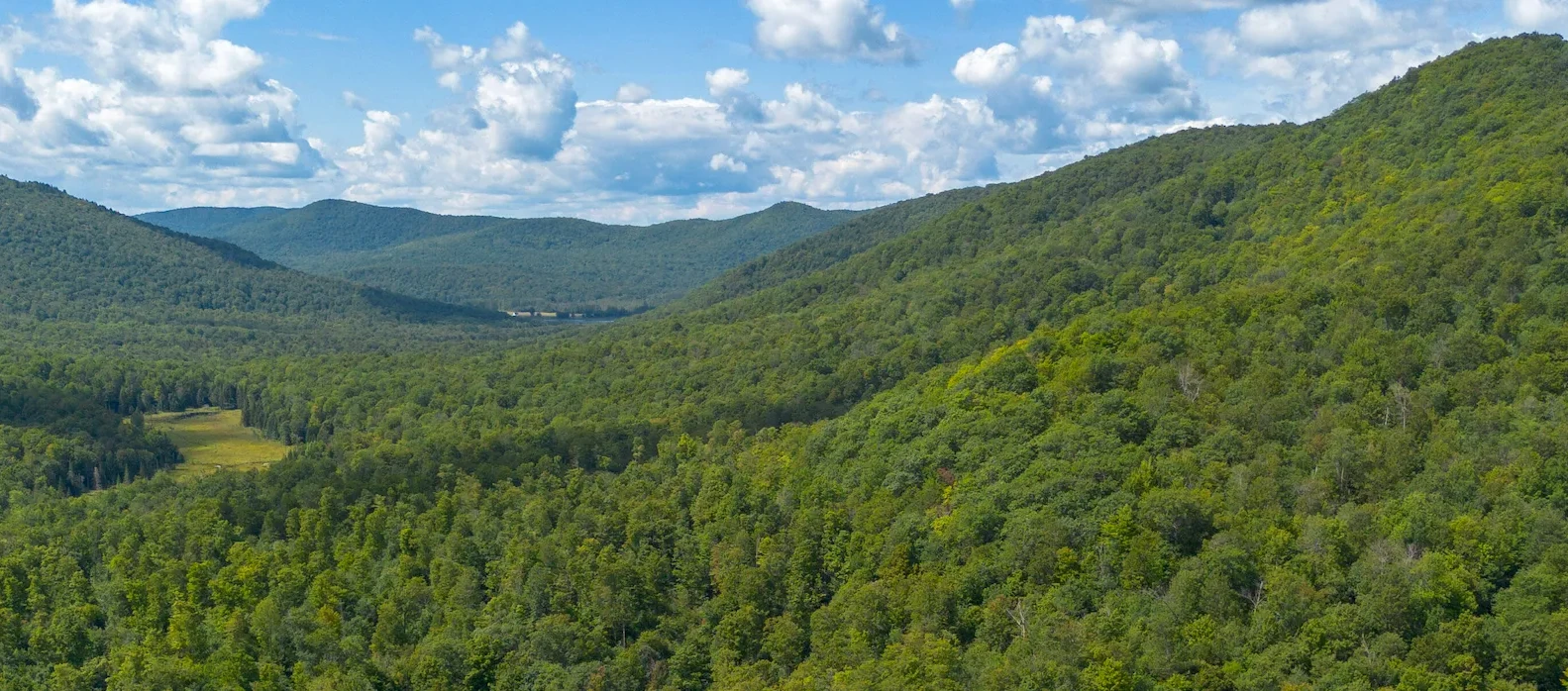
In Southern Vermont's Green Mountains, Owl Hill Reserve is on 1,928 acres in Chester, an expanse over twice the size of New York Citys Central Park. Assembled over half a century, this land has united generations in the celebration of the great outdoors. At the heart of the reserve stands an 1800s brick farmhouse, and two historic barns, a testament to earlier days of farming.
Owl Hill Reserve In Southern Vermont's Green Mountains, Owl Hill Reserve is on 1,928 acres in Chester, an expanse over twice the size of New York Citys Central Park. Assembled over half a century, this land has united generations in the celebration of the great outdoors. At the heart of the reserve stands an 1800s brick farmhouse, and two historic barns, a testament to earlier days of farming. Owl Hill Reserve
COLLEGE HILL
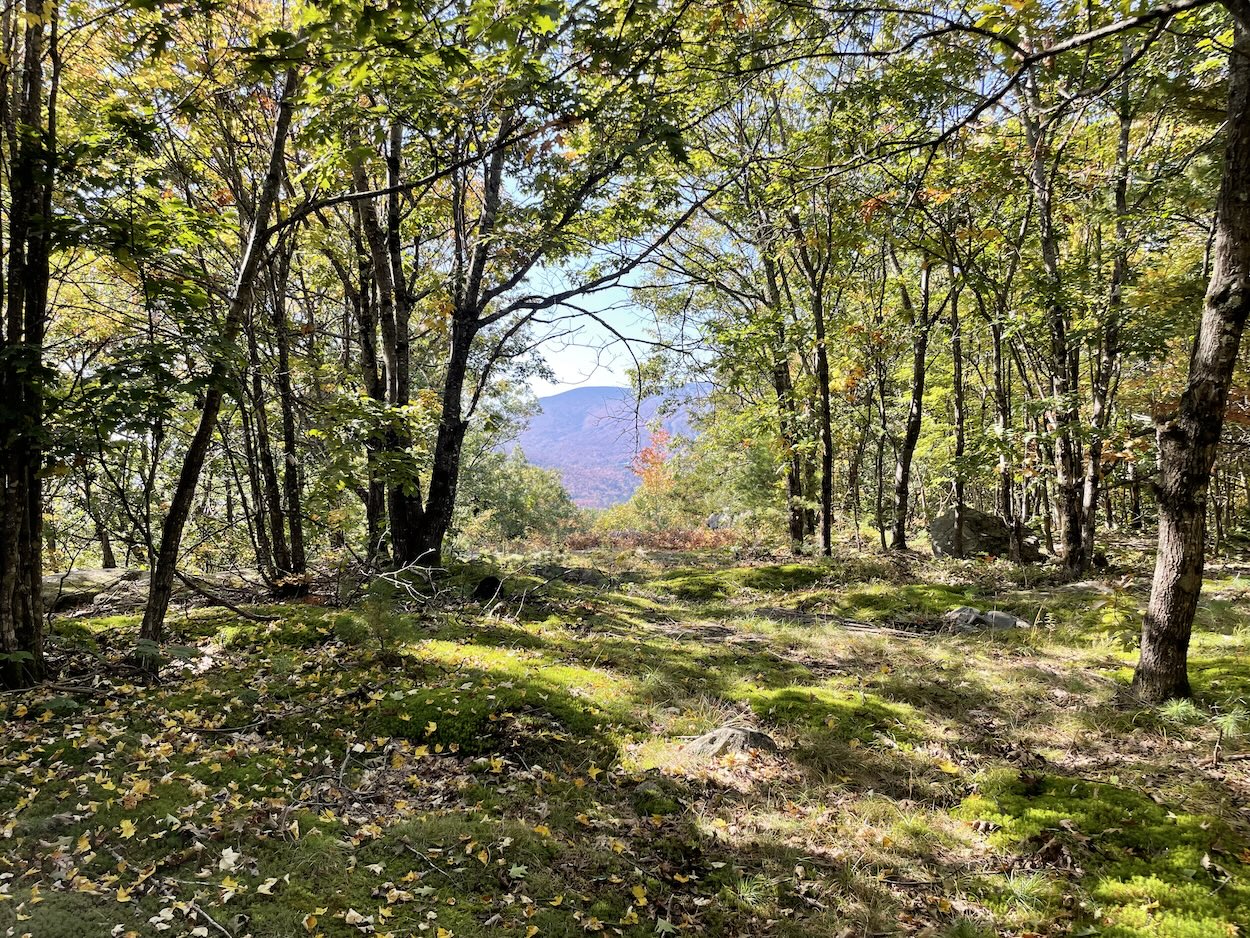
This 600+/- acre private, unrestricted property is located in the Southern Green Mountains in the town of Jamaica. The region is a combination of High Peaks, high plateaus, and the property has a steep drop off to the west allowing dramatic view from its two peaks, one of which is a named peak of College Hill with its 2,100 elevation. College Hill is a woodland property that has not been timbered since before the owners purchased the property in 1953. There are 3 small streams that originate on the property and run into Ball Mountain Brook which feeds the West River.
College Hill This 600+/- acre private, unrestricted property is located in the Southern Green Mountains in the town of Jamaica. The region is a combination of High Peaks, high plateaus, and the property has a steep drop off to the west allowing dramatic view from its two peaks, one of which is a named peak of College Hill with its 2,100 elevation. College Hill is a woodland property that has not been timbered since before the owners purchased the property in 1953. There are 3 small streams that originate on the property and run into Ball Mountain Brook which feeds the West River. College Hill
RED TOP
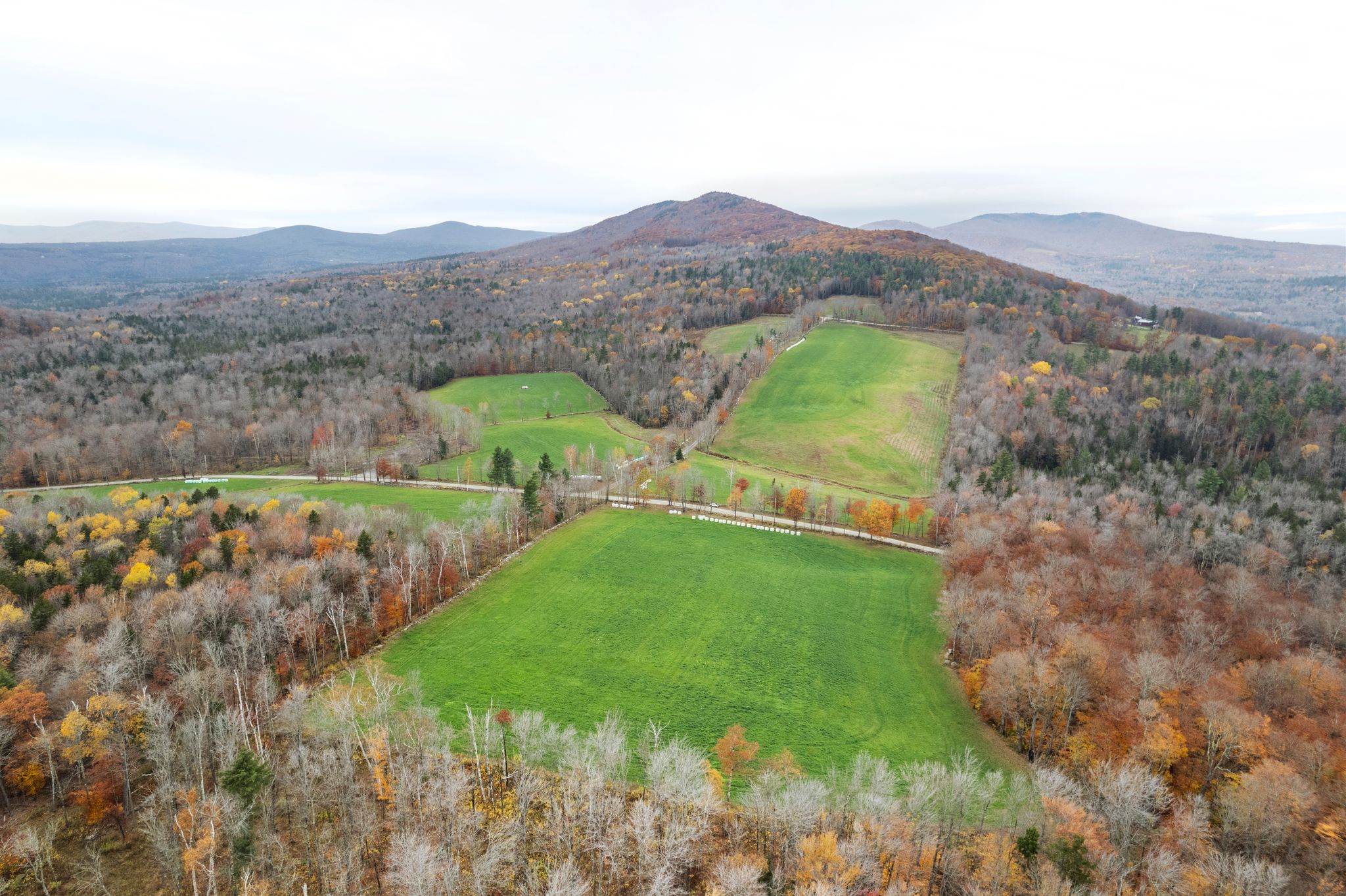
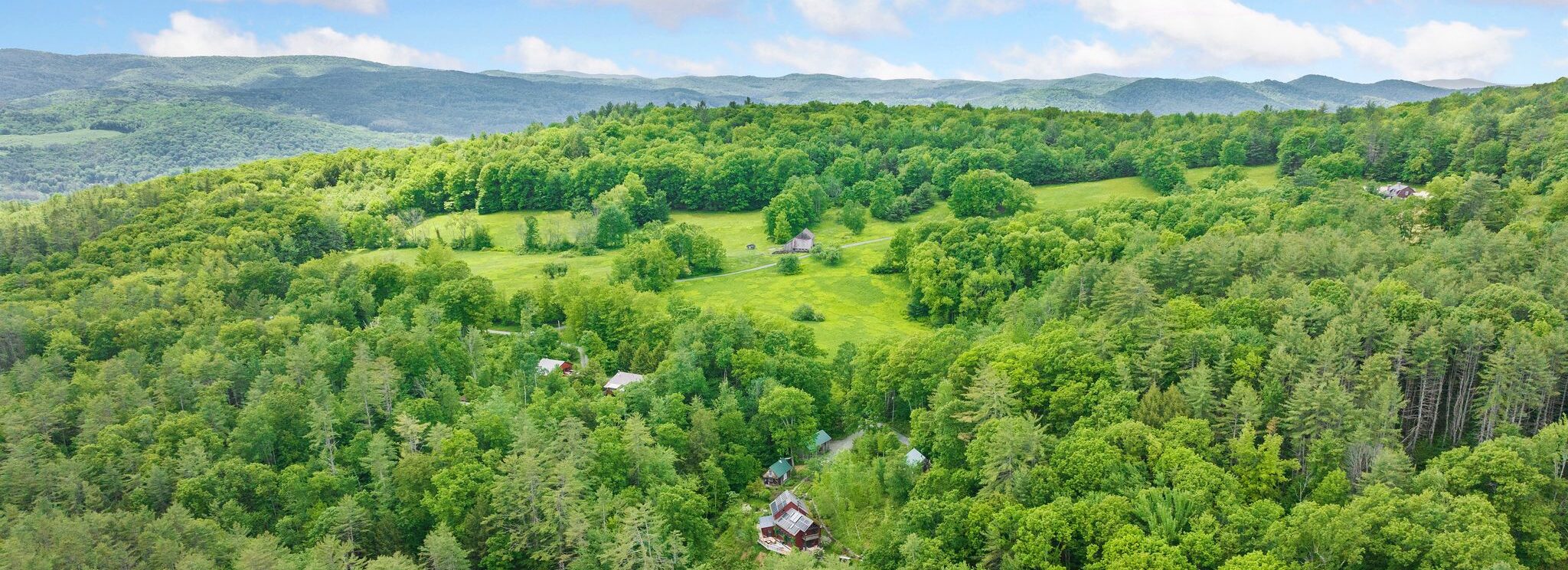
Red Top is a 506 +/- acre parcel in the town of Andover and on the border of Weston. This land's historical roots run deep, originally belonging to the Marsh family for over 200 years, and presently in the hands of a family devoted to its restoration. Inspired by John Marsh who first settled here in 1797, the owners have worked for more than 15 years to bring the abandoned meadows and woodlands back to life, rejuvenate the soil and increase the productivity of the land.
Red Top Red Top is a 506 +/- acre parcel in the town of Andover and on the border of Weston. This land's historical roots run deep, originally belonging to the Marsh family for over 200 years, and presently in the hands of a family devoted to its restoration. Inspired by John Marsh who first settled here in 1797, the owners have worked for more than 15 years to bring the abandoned meadows and woodlands back to life, rejuvenate the soil and increase the productivity of the land. Red Top
GOODMAN FARM
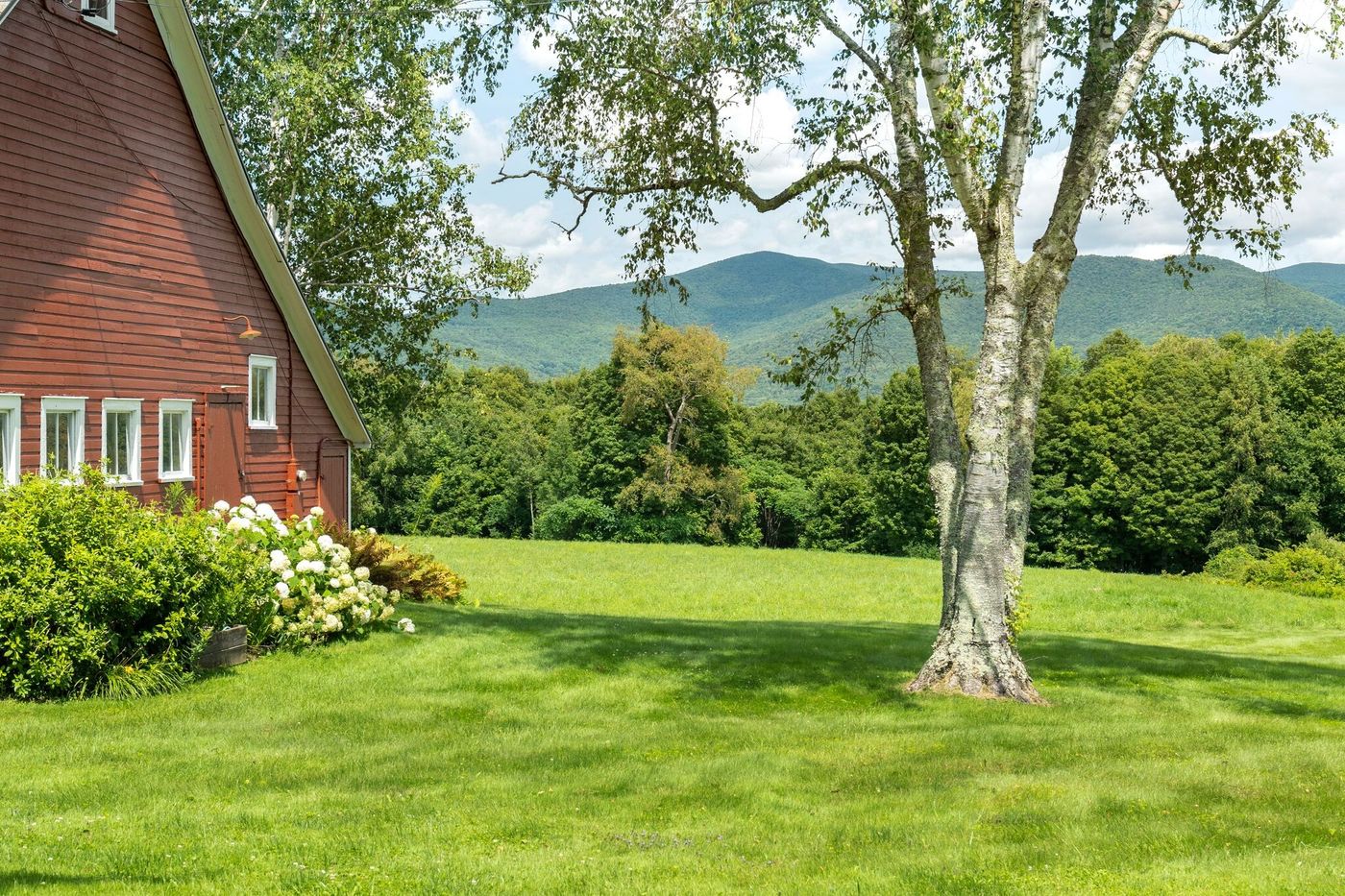
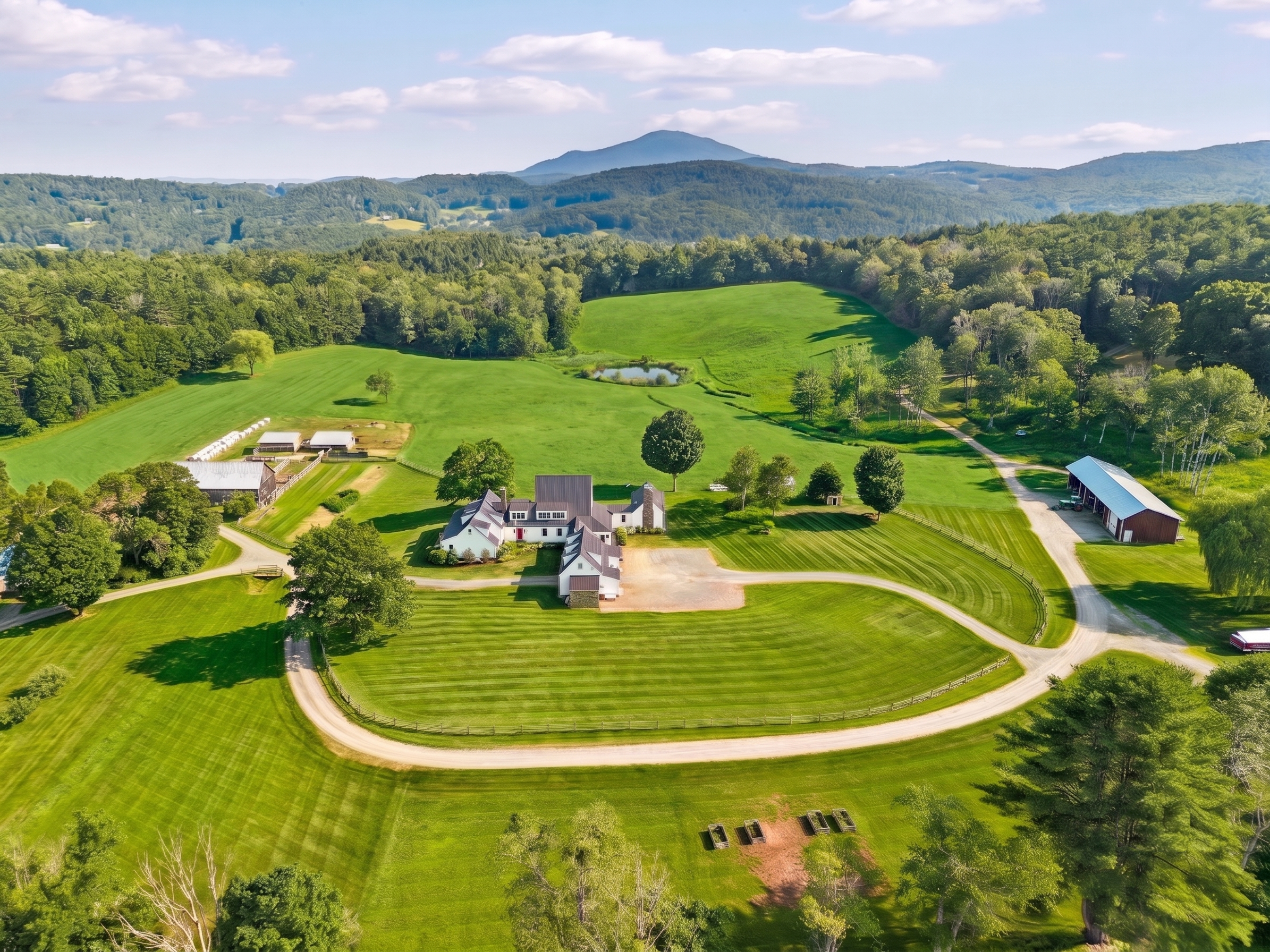
On an Eastern hillside, between two ridgelines of the Taconic Range, is Goodman Farm. The two cottages and an antique red barn set at the edge of a spacious hay meadow are two miles outside the village of Dorset. The 187 acres abuts Rupert State Forest with panoramic views, perennial gardens, stone walls and a small pond.
Goodman Farm.
On an Eastern hillside, between two ridgelines of the Taconic Range, is Goodman Farm. The two cottages and an antique red barn set at the edge of a spacious hay meadow are two miles outside the village of Dorset. The 187 acres abuts Rupert State Forest with panoramic views, perennial gardens, stone walls and a small pond. Goodman Farm.
COBBLE HILL FARM
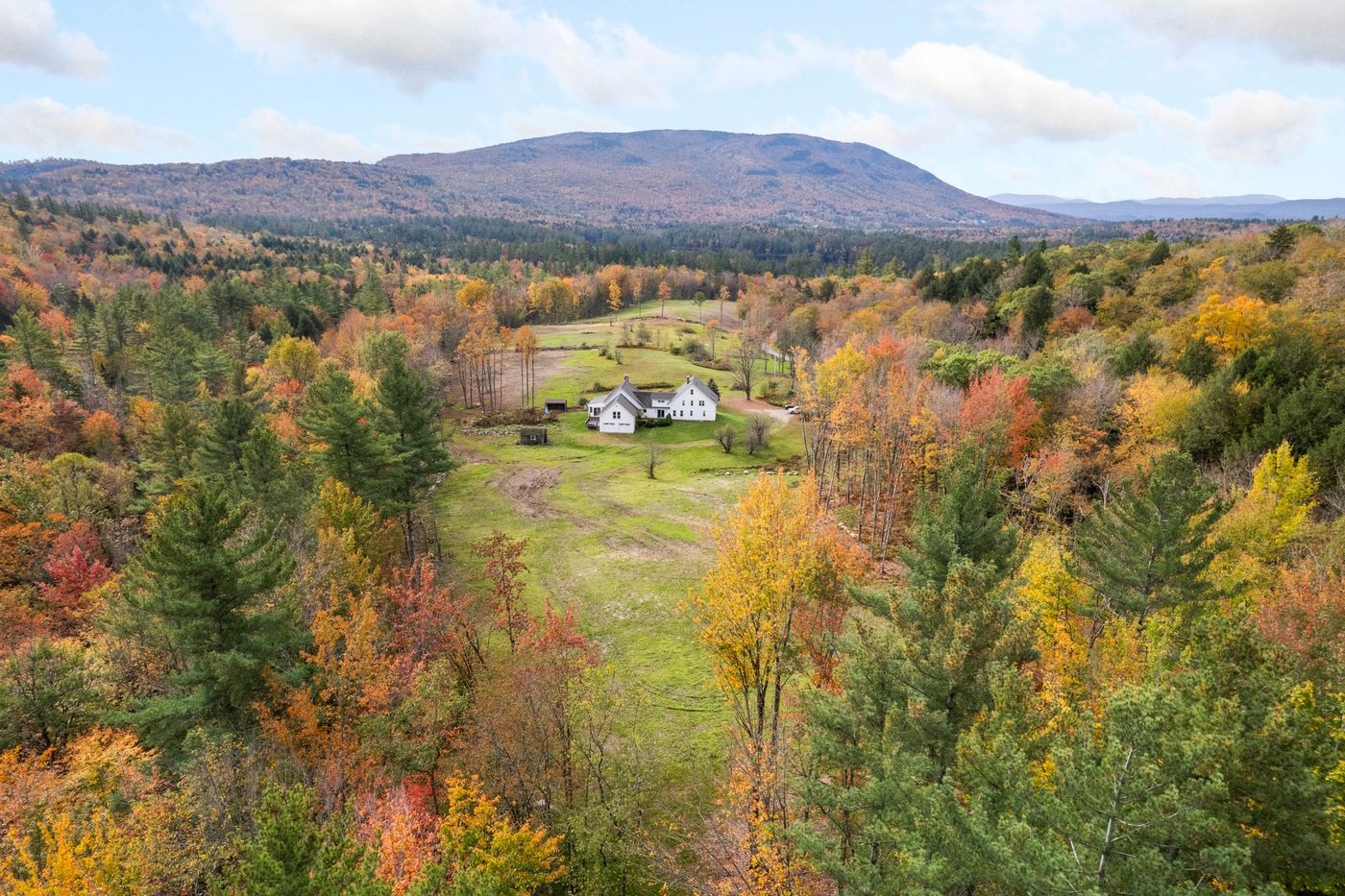
Cobble Hill Farm, on 149 acres, is an old farmstead with meadows and woodlands that border conserved land and less than 3 miles to the village of Londonderry. With panoramic views of Glebe Mountain and walking distance to Lowell Lake, the landscape is a tapestry of open meadows, crisscrossed by ancient stone walls, a spring-fed pond, and a network of winding trails meandering through the woods. Apple trees dot the lower meadows.
Cobble Hill Farm Cobble Hill Farm, on 149 acres, is an old farmstead with meadows and woodlands that border conserved land and less than 3 miles to the village of Londonderry. With panoramic views of Glebe Mountain and walking distance to Lowell Lake, the landscape is a tapestry of open meadows, crisscrossed by ancient stone walls, a spring-fed pond, and a network of winding trails meandering through the woods. Apple trees dot the lower meadows. Cobble Hill Farm



 To landvest.com



Follow Us on Social Media