Integrating nature into architecture is not new. Elements of what is now called biophilic design can be traced to the Islamic Golden Era (8th-14th Century) and the use of nature-inspired shapes and patterns in tilework along with courtyards that encompass outdoor space and fountains.
The modern interpretation of the trend was codified by Stephen Kellert in the 2008 book, Biophilic Design:The Theory, Science and Practice of Bringing Buildings to Life. His work focused on direct and indirect experiences of nature, plus the exploration of special relationships between a design and the surrounding environment.
Although interest was piqued after Kellerts book was published, it was not until the advent of todays digital, fast-paced world, where social media dominates our lives, and the recent pandemic-induced confinement, that a surge in passion for both renovation and the great outdoors swelled interest in biophilic design.
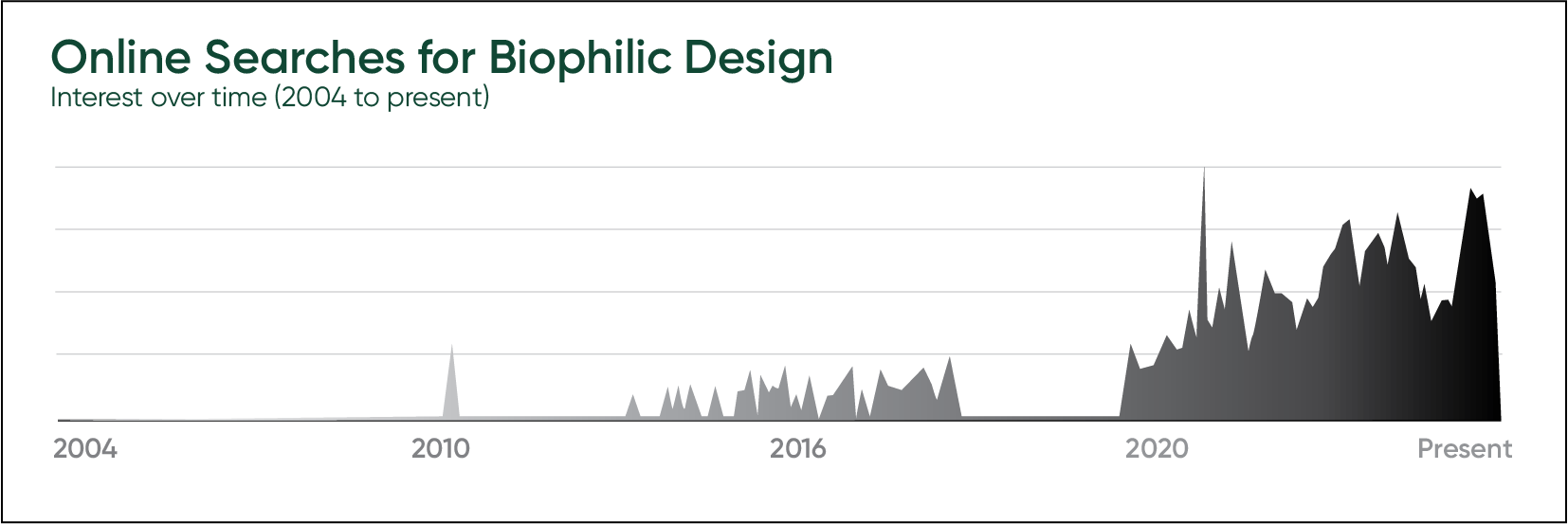 Analysis of Google search trends since 2004 shows that interest in biophilic design principles took off during the pandemic and continues to be a dominant theme in design related searches.
Biophilic design offers a compelling framework for creating spaces that not only enhance our physical well-being but also nourish our souls. By incorporating natural elements into the built environment, homes like Lee Pond Estate, Deerwood, and Tranquility blur the boundaries between indoors and outdoors, inviting us to reconnect with the beauty of the natural world. In this post, we explore 4 principles of Biophilic design.
Incorporating Natural Light and Views One of the fundamental aspects of biophilic design is maximizing access to natural light and views of the surrounding landscape. Lee Pond Estate in Westwood, MA, exemplifies this principle with its expansive windows that frame breathtaking views of the surrounding forest and pond. The interior spaces are bathed in sunlight, creating a seamless connection between the indoors and outdoors.
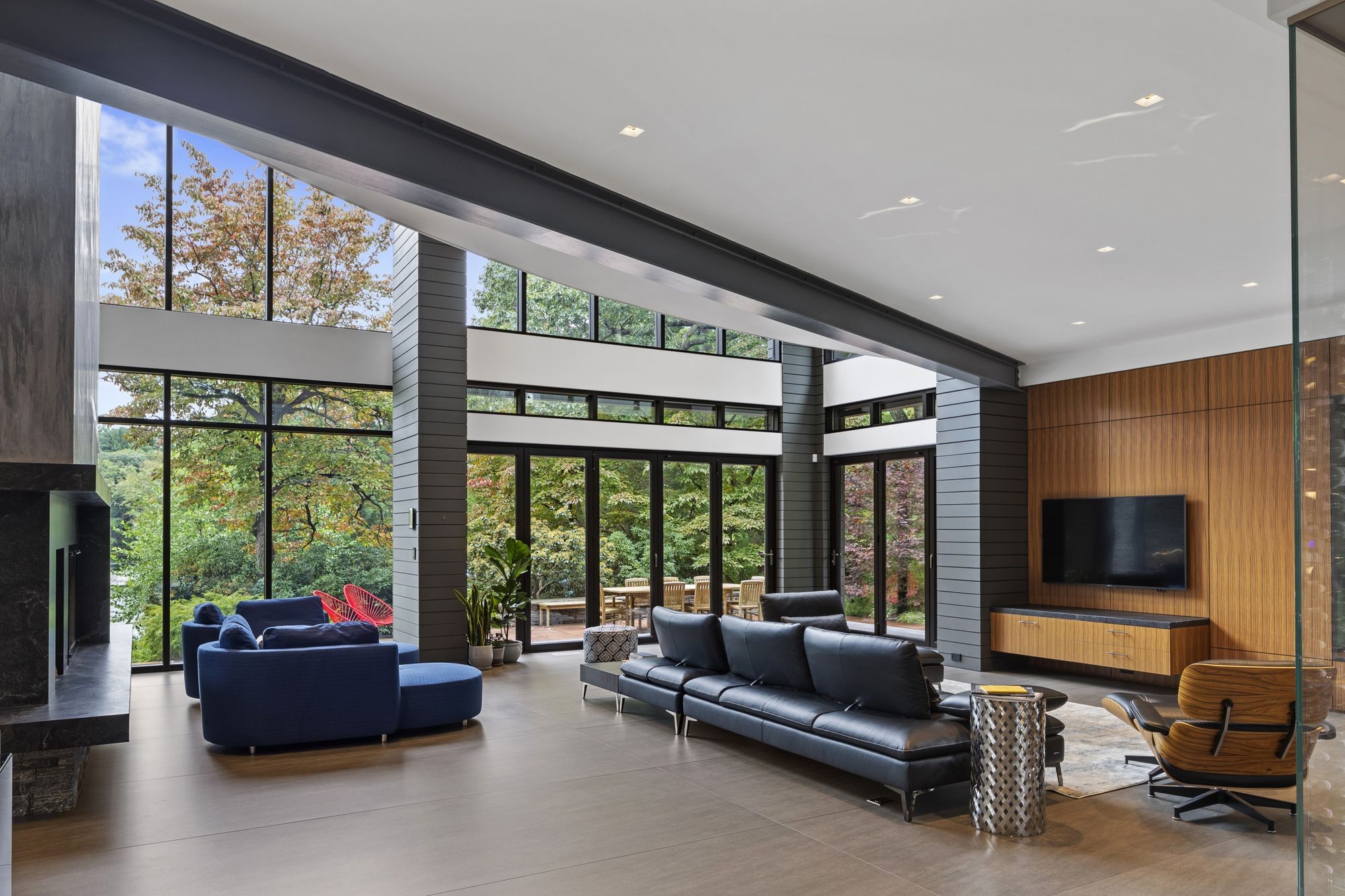 Floor to ceiling windows bring a sense of connection to arboretum grounds. Lee Pond Estate, listed byJay Boyle&Ruth Kennedy Sudduth. $12,500,000.
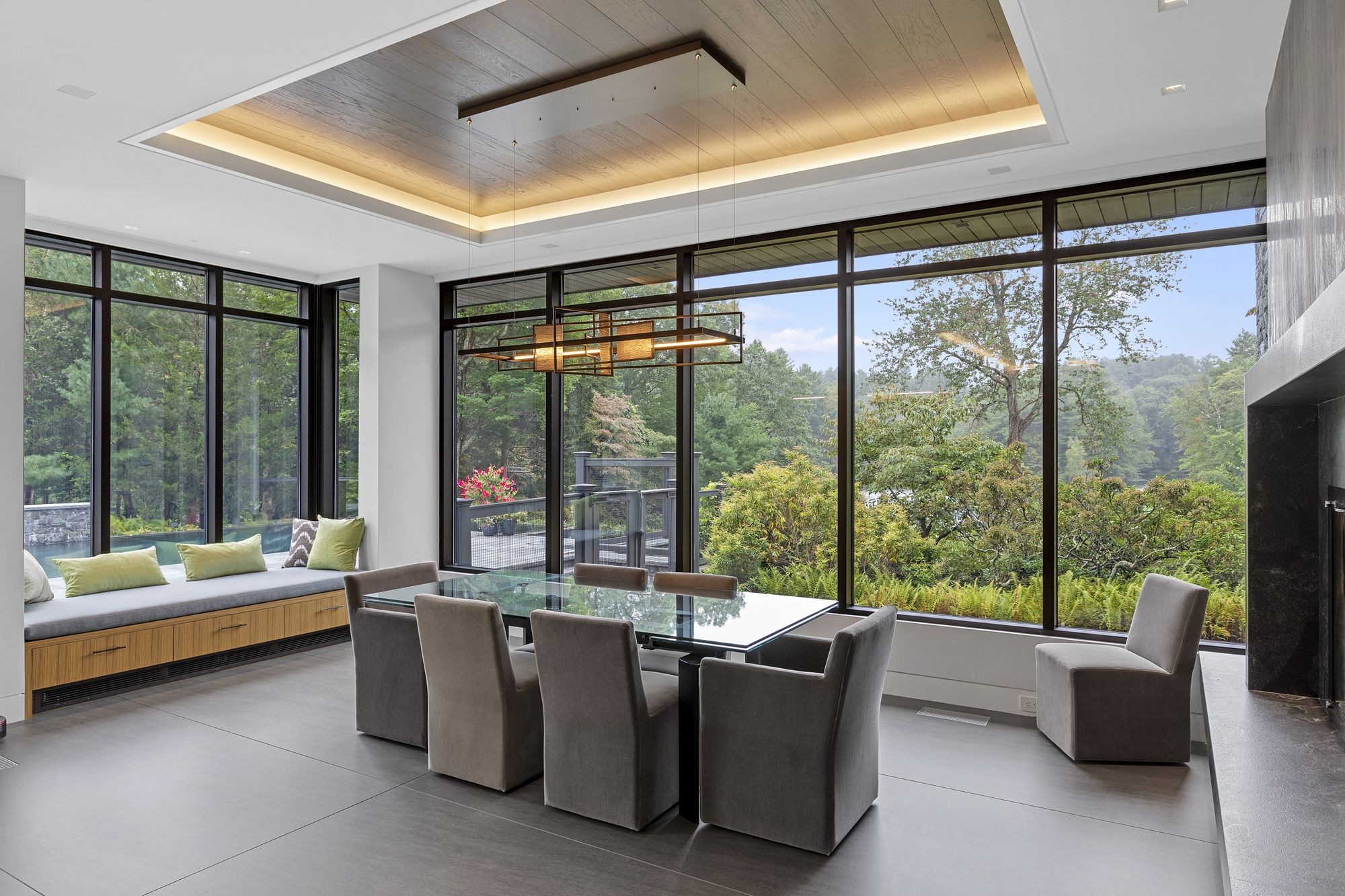 Overlooking the infinity pool and lake creates a connection with waterscapes. Lee Pond Estate, listed byJay Boyle&Ruth Kennedy Sudduth. $12,500,000.
Utilizing Natural Materials
Biophilic design emphasizes the use of natural materials such as wood, stone, and water. Deerwood estate in Stowe, VT, embraces this principle with its rustic yet elegant aesthetic. From the exposed wooden beams to the stone fireplace, every element of the home is designed to evoke a sense of harmony with the natural environment.

Wood, stone, and natural light permeate the interior. Deerwood, listed by Wade Weathers and Meg Kauffman, $14,950,000
 Panoramic views of the green mountains mix with new and weathered woods. Deerwood, Listed by Wade Weathers and Meg Kauffman, $14,950,000
Creating Spaces for Reflection and Relaxation
Tranquility estate in Bar Harbor, ME, embodies the idea of creating spaces that promote relaxation and contemplation. The home features serene outdoor patios and gardens where residents can unwind amidst lush greenery and the sound of rustling leaves. Additionally, the interior design prioritizes comfort and tranquility, with cozy seating areas and natural color palettes that evoke a sense of calm.
 Serene outdoor spaces and gardens create an opportunity for reflection. Tranquility, listed by Story Litchfield and Scott McFarland, $11,200,000
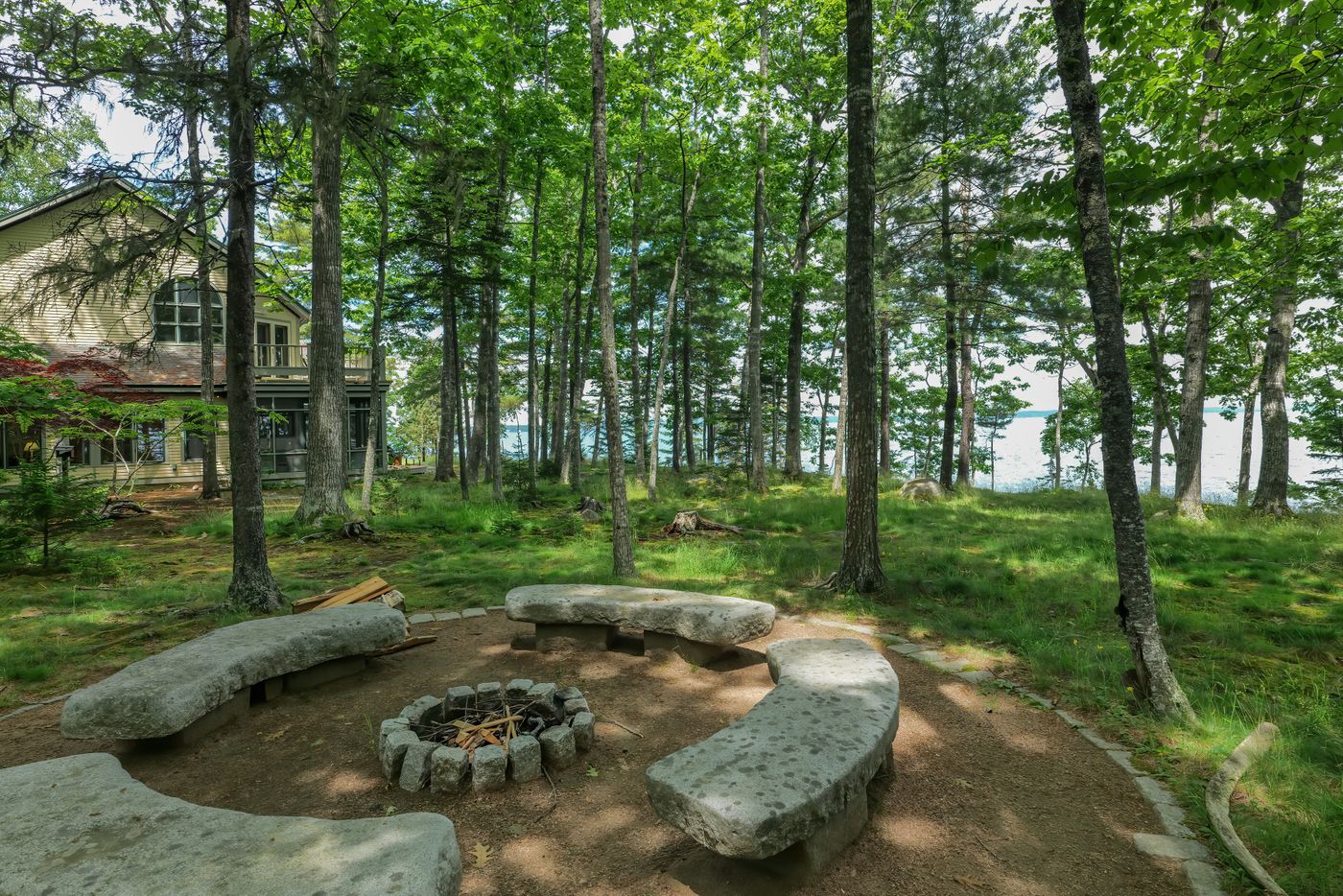 Set among the trees, natural stone benches, encircle the firepit. Tranquility, listed by Story Litchfield and Scott McFarland, $11,200,000
Fostering a Connection to Nature
Biophilic design seeks to foster a deeper connection to the natural world. Each of these homes achieves this through thoughtful design elements that engage the senses and evoke an appreciation for nature's beauty. Whether it's the sound of running water from a nearby stream, the scent of fresh pine, or the sight of wildlife passing by, these homes offer residents a constant reminder of the wonders of the natural world.
[easy-image-collage id=197118]



 To landvest.com



.jpg)

Follow Us on Social Media