by Brian Handwerk for LandVest
Forests are natural weapons against climate change. Through the simple process of photosynthesis, they absorb large amounts of carbon dioxide, the main heat-trapping greenhouse gas found in fossil fuel emissions. The good news for landowners is that governments are increasingly valuing forestlands ability to soak up CO2 by putting a price tag on it.
Forest carbon projects represent a growing alternative income source for timberland owners choosing to leave some of their trees standing, thereby absorbing greenhouse gasses while generating revenue at the same time. When youre looking for alternative sources of income in timberland investments, this is a good fit for a lot of owners, explains LandVests Terese Walsh, Lead Verifier and Biometrician.
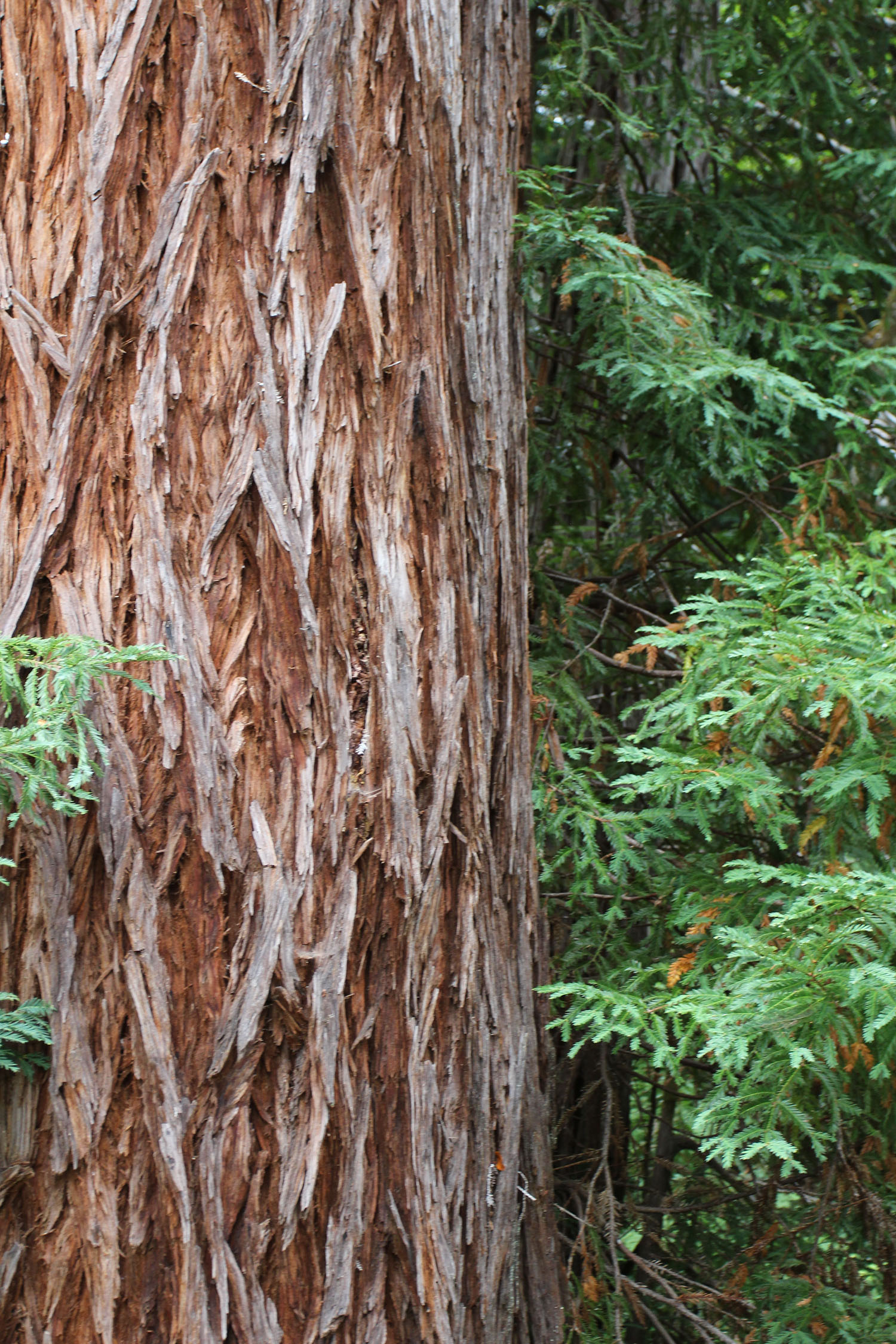
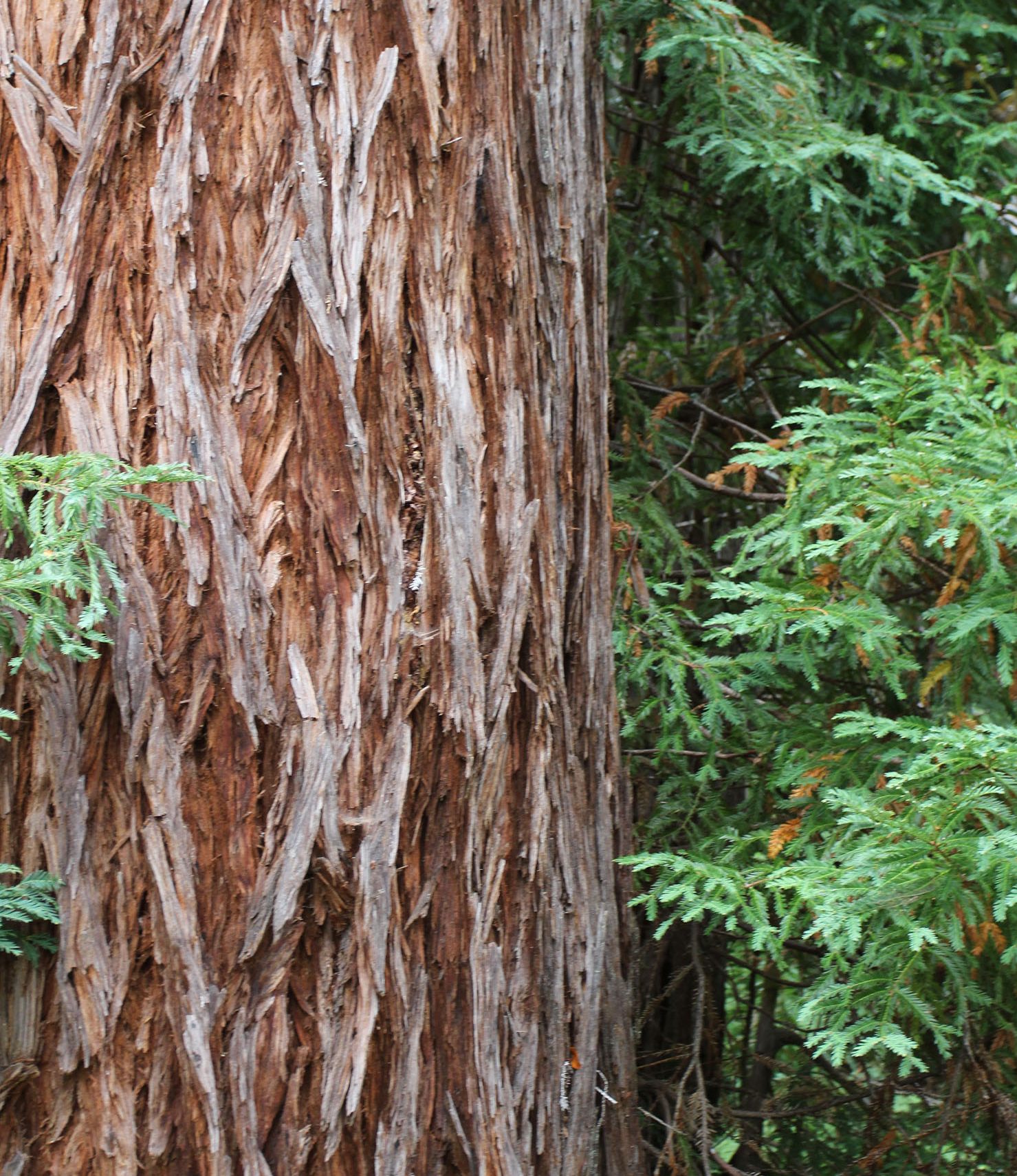 Second-growth redwood tree in Sonoma County, California
 Second-growth redwood tree in Sonoma County, California
The ability of forests to lock up carbon recently became far more valuable thanks to the growth of regulatory programs which force polluting industries or utilities that exceed their individual emission allotments to offset those emissions by purchasing carbon credits from qualified programs like certified forests. In 2009, the Northeasts Regional Greenhouse Gas Initiative became the nations first mandatory carbon dioxide cap-and-trade program, regulating electric power generators from Maryland to Maine. Californias more extensive program, covering the power plants, industrial plants, and fuel distributors, became law in 2013 and has been extended until 2030. Quebec and Ontario recently linked their carbon offset markets to Californias, underscoring that carbon markets are here to stay.
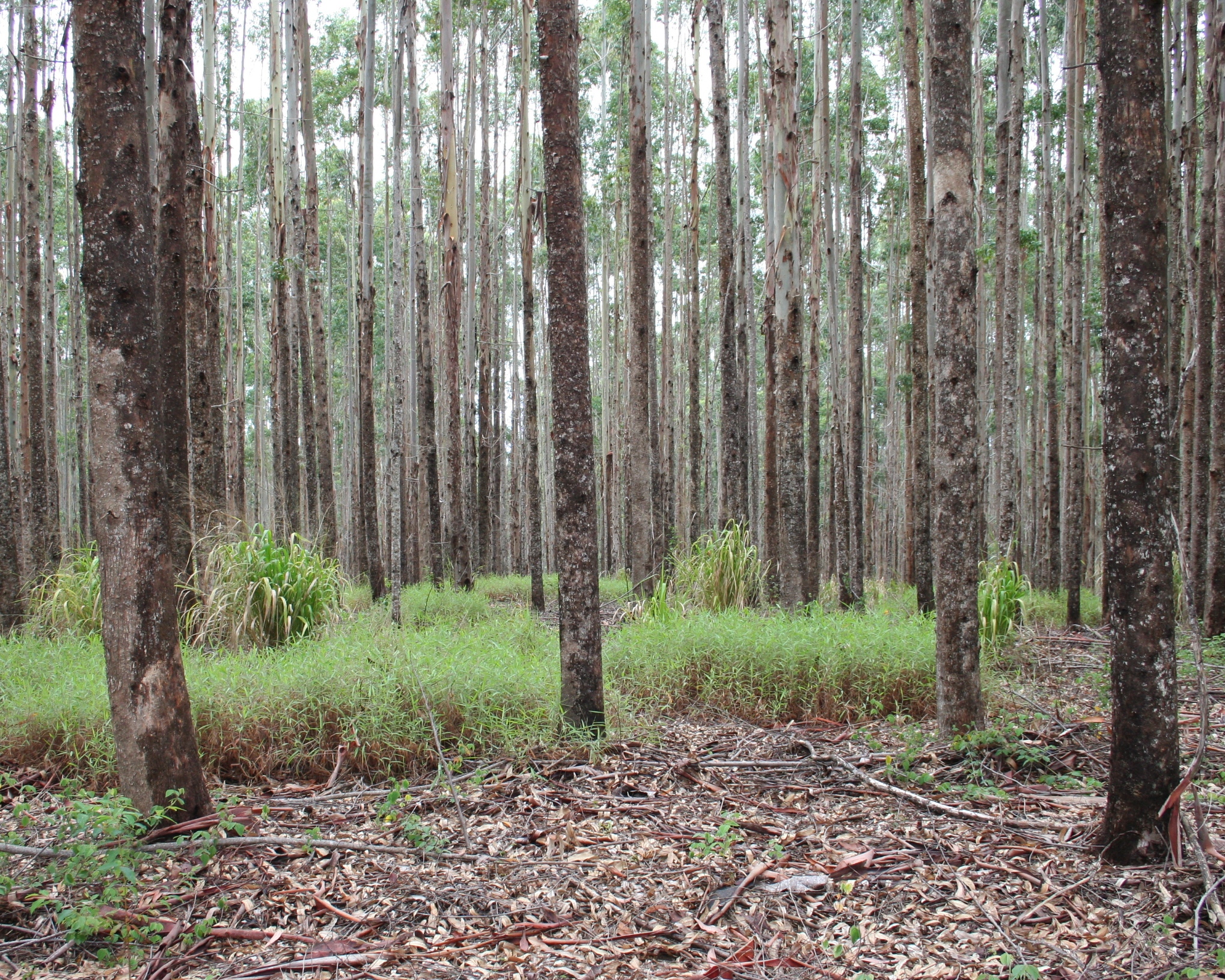 Thirteen-year-old eucalyptus plantation on the Hamakua Coast of Hawaii
 Thirteen-year-old eucalyptus plantation on the Hamakua Coast of Hawaii
Timberland investors have already begun to realize the benefits of these carbon markets on an institutional scale. The development and extension of the California cap-and-trade program has opened up an important new resource for us as investment managers, which supports a long-term sustainable management perspective, notes MaryKate Bullen of New Forests, who have developed over 400,000 acres of forest carbon projects across the continental United States and Alaska.
Starting in 2020, the friendly skies will become more carbon neutral as well. The Carbon Offsetting and Reduction Scheme for International Aviation will set a ceiling for commercial aviation emissions and require the worlds international airlines stick to that limit going forward, thereby driving further demand for forest carbon capture projects.
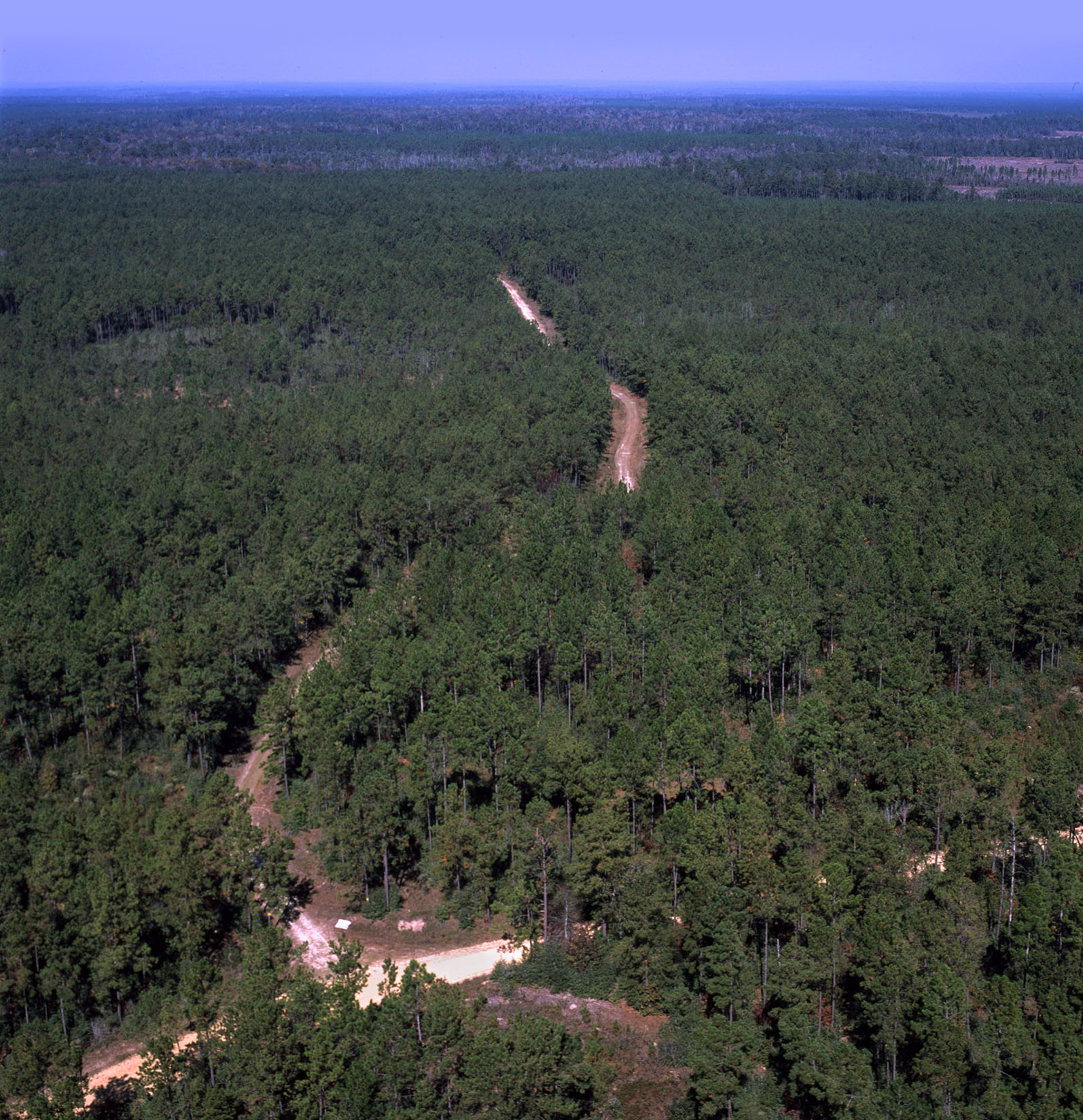 Loblolly pine plantations in east Texas. Photo, Janny Kowinia
 Loblolly pine plantations in east Texas. Photo, Janny Kowinia
Bullen notes that managers like New Forests will be well-positioned to take advantage. Our investment strategies connect timberland owners and investors with opportunities to improve timberland returns via carbon markets, delivering real financial value and offering a diversification of revenue to an array of timberland owners.
But before landowners can sell their stored carbon, they must develop a project and have it ushered through the appropriate agencies. The project must be certified by an accredited offset verification body like LandVest. During the accreditation process, forest biometricians confirm the total amount of carbon a forest will capture and certify that the gain is real, relative to alternative harvest options or land uses. The gain translates into a certain amount of carbon credits which can be sold on carbon markets.
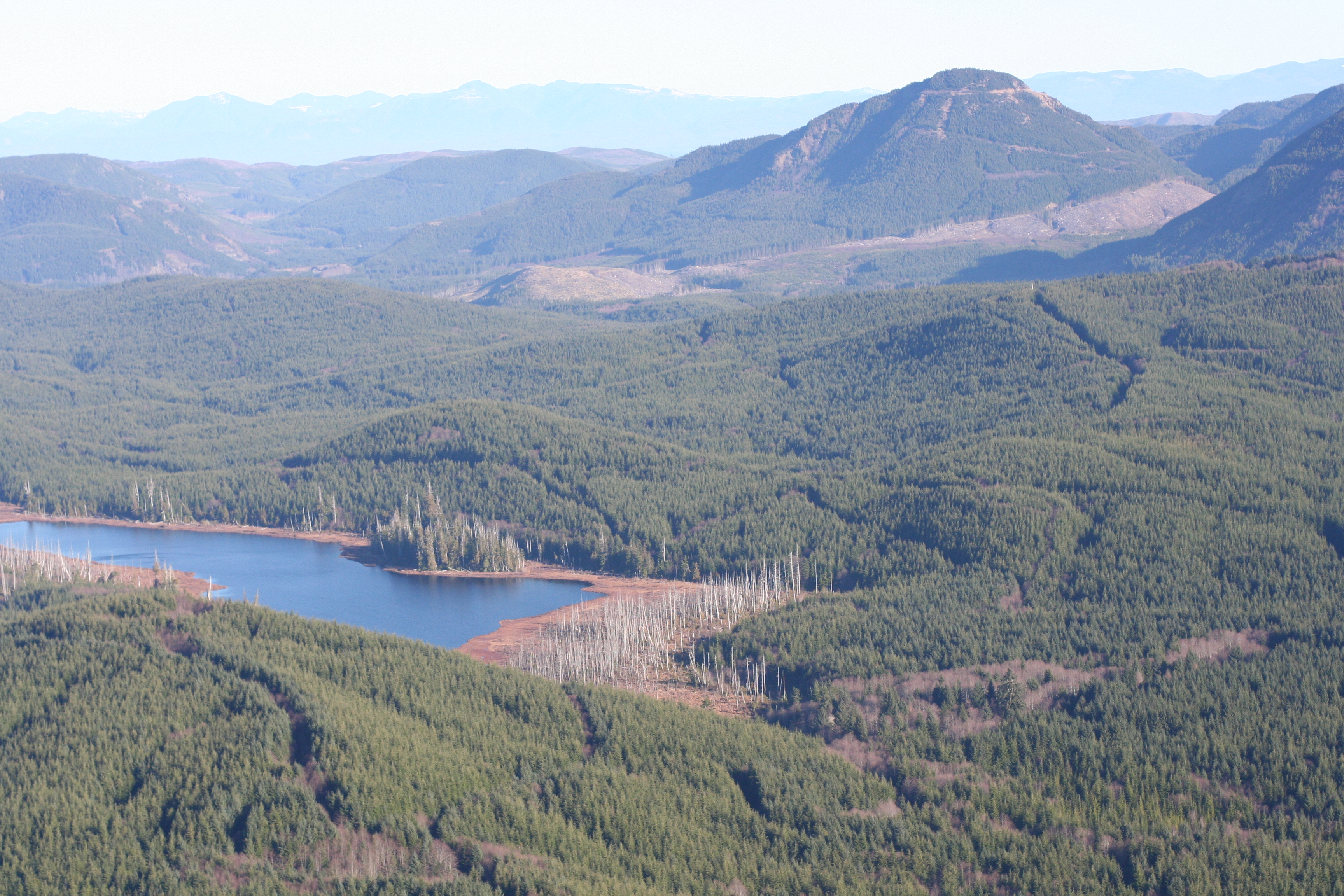
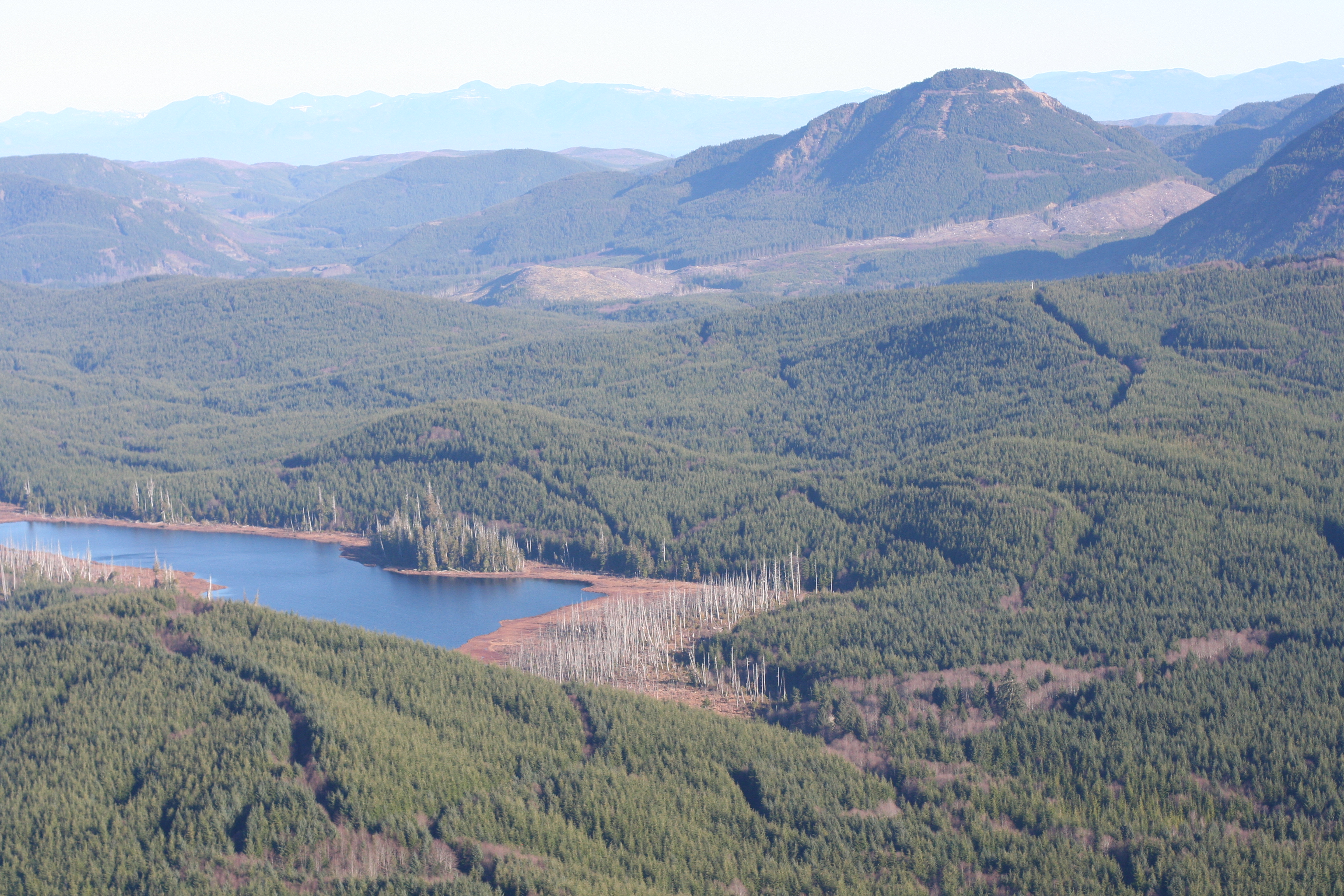 Mixed Douglas-fir and hemlock forest in Clallam County, Washington
 Mixed Douglas-fir and hemlock forest in Clallam County, Washington
As a rule of thumb, experts like Terese Walsh say forest ownerships should be about 5,000 acres, at a minimum, to turn significant profits after the outlay required for project development and certification. And managers must be ready to commit for the long term. You essentially sign a 100-year contractyou agree to sequester that carbon for 100 years, Walsh explains.
Landowners must also pay for periodic audits to ensure the project is performing as planned. However, a forests carbon capture capability will typically rise as it ages, earning owners regular income. This increase is typically enough to cover the ongoing audit and reporting requirements and produce some modest profits in addition to the more significant payments earned at the original sale.
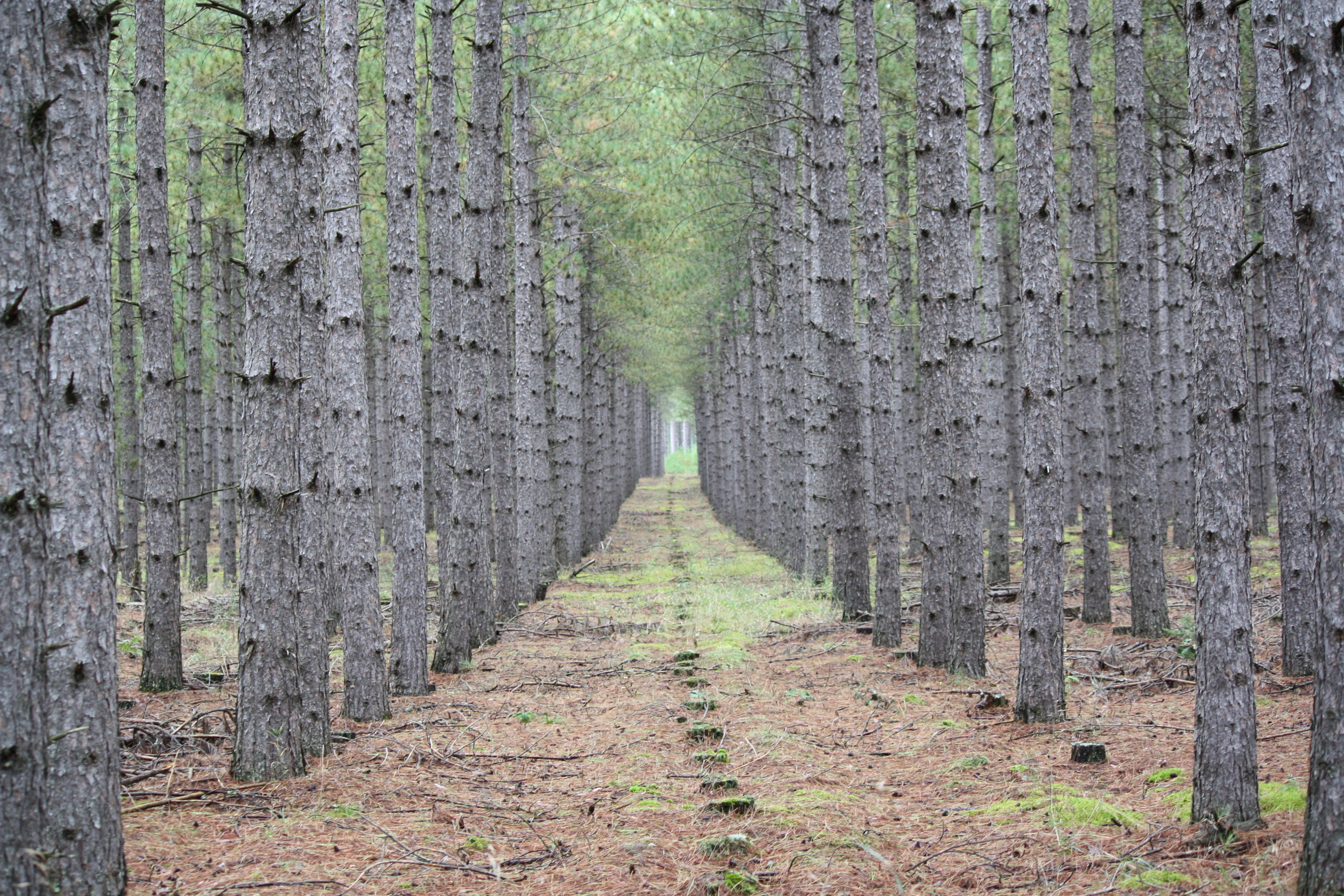
Thinned pine plantation in northern Wisconsin
Forest carbon holds opportunity even for landowners far from mandatory carbon markets because certified forests need not always be located in participating states or provinces. California has developed regulatory guidelines allowing carbon projects across the entire continental United States and Alaska.
The U.S. Forest service estimates that America's forests offset between 10 and 20 percent of the nation's annual carbon emissions, and theyve been doing it for free for quite some time. Thanks to the recent growth in carbon markets, owners of such forests can finally get paid from the very nature of their trees.
LandVest is the US leader in timberland management, real estate consulting, and real estate transaction services. Founded in 1968, LandVest manages over 2.2 million acres of timberland on behalf of institutional, family, and NGO owners. LandVests technical, consulting, and transaction service groups provide appraisal, due diligence, and marketing services on over $2 billion in real estate assets annually.



 To landvest.com




Follow Us on Social Media